
Last updated October 17, 2026
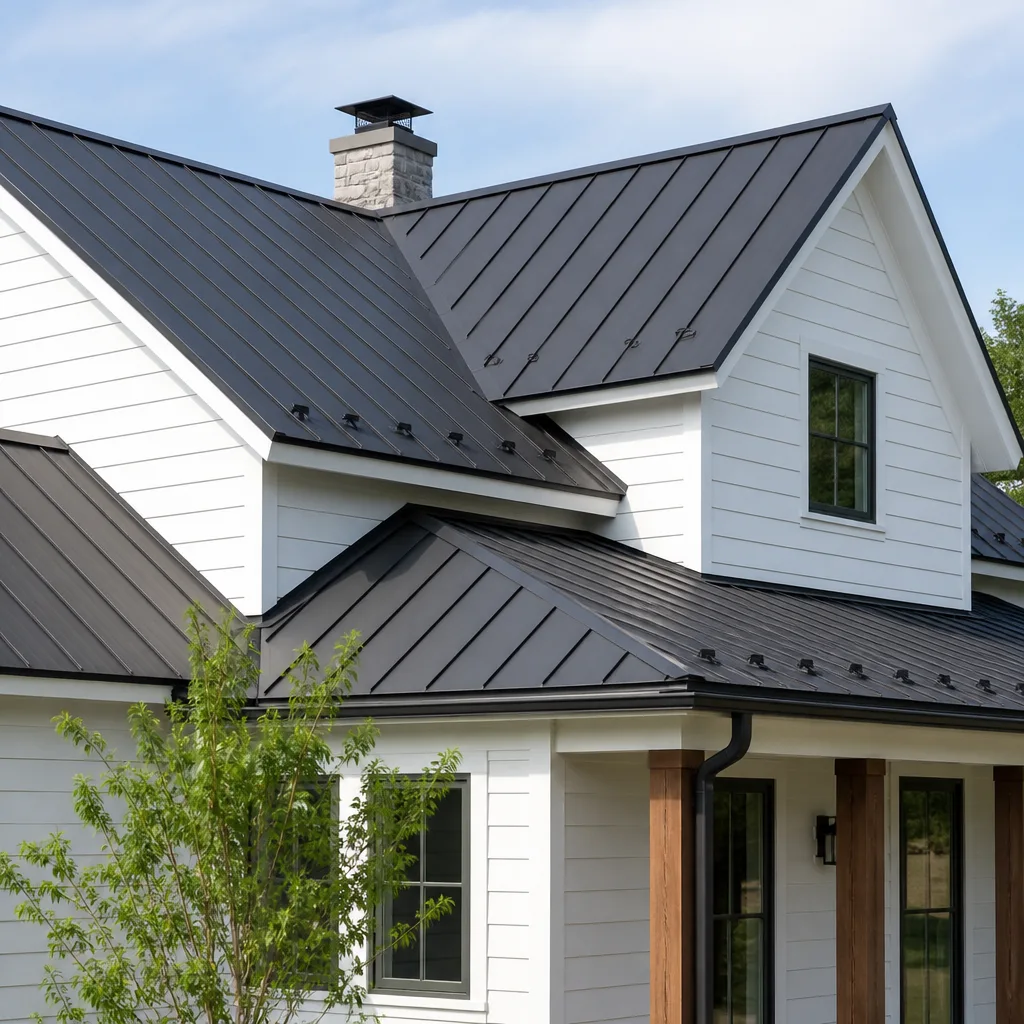 Metal roofing
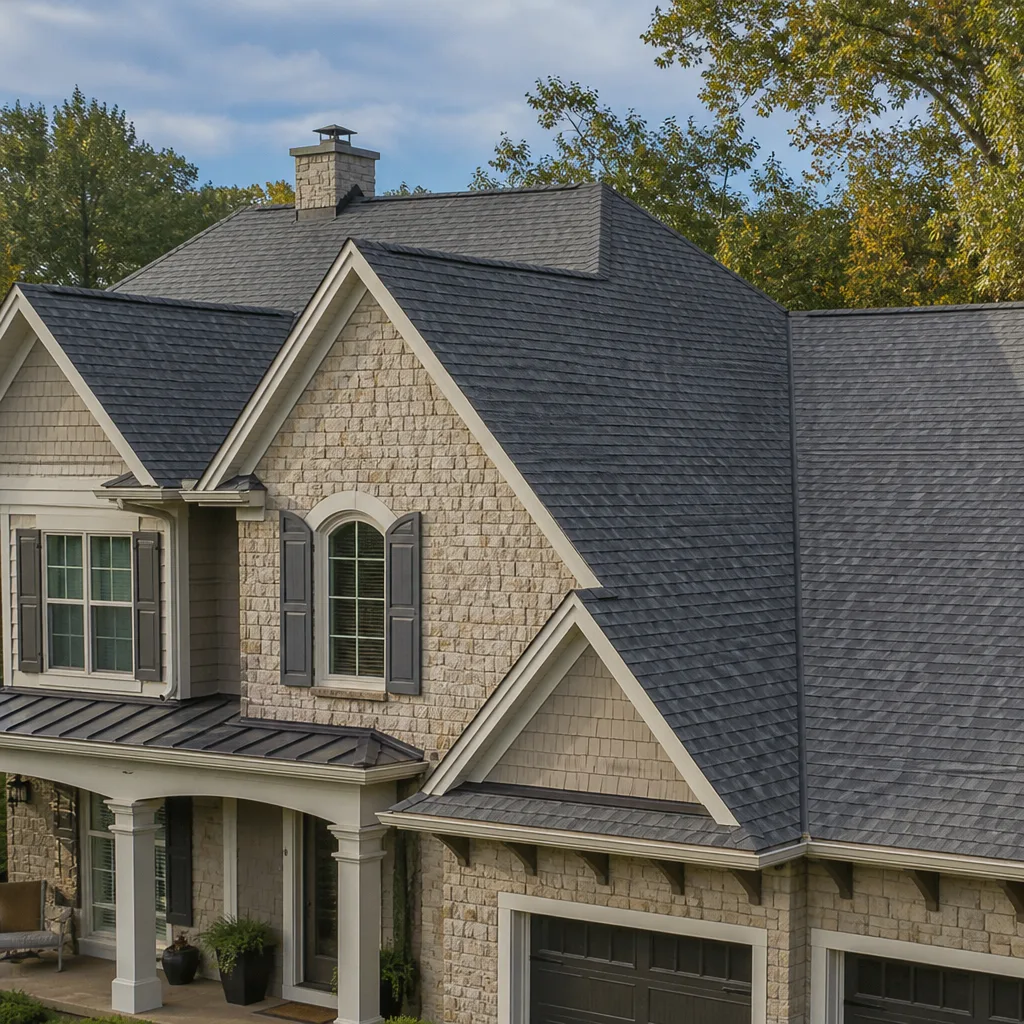 Architectural shingles
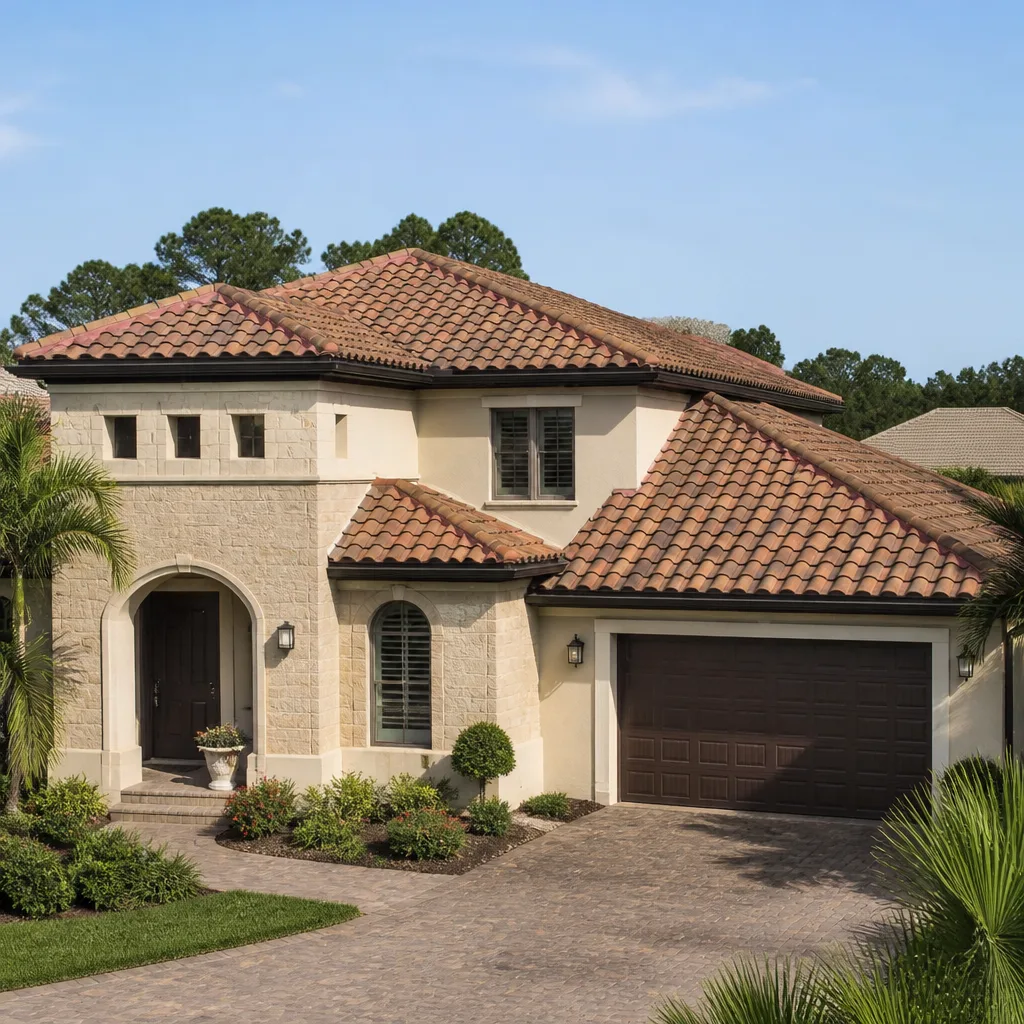 Tile roofing
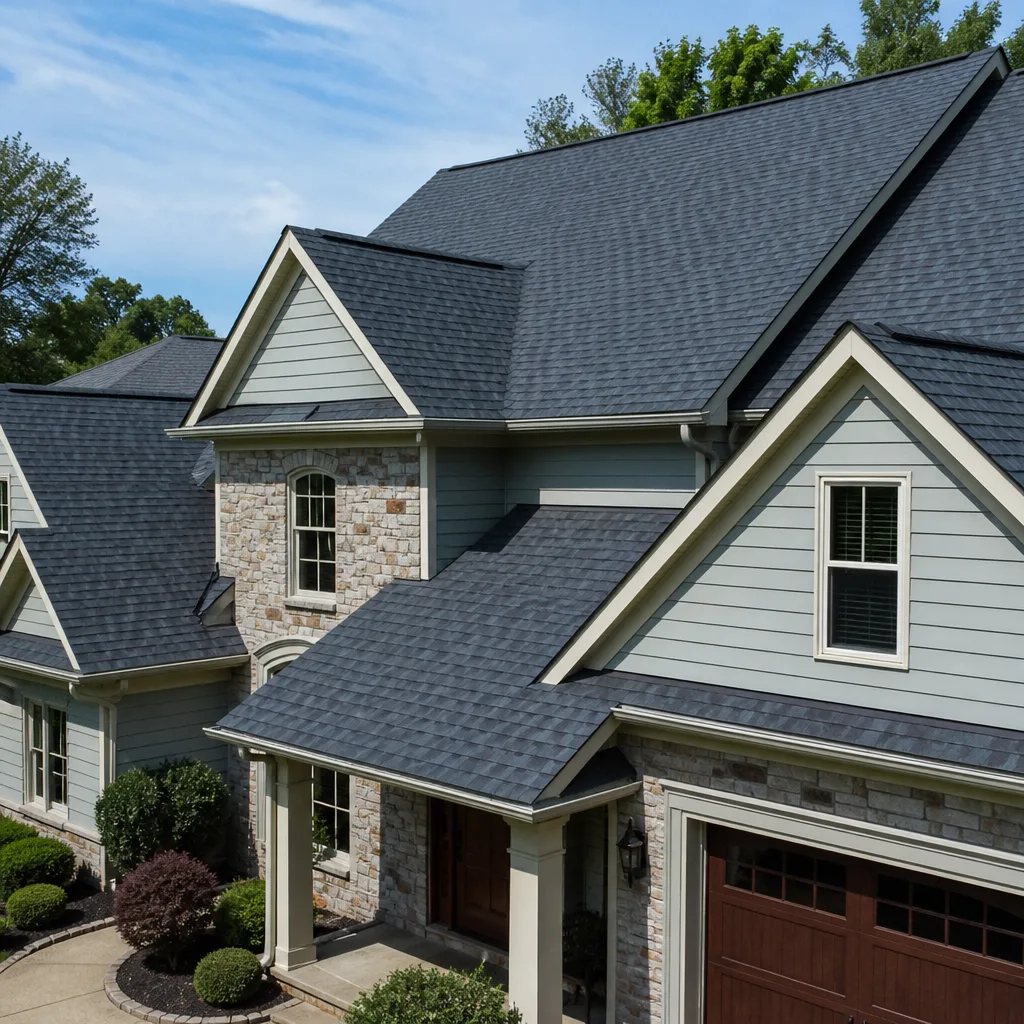 GAF
GAF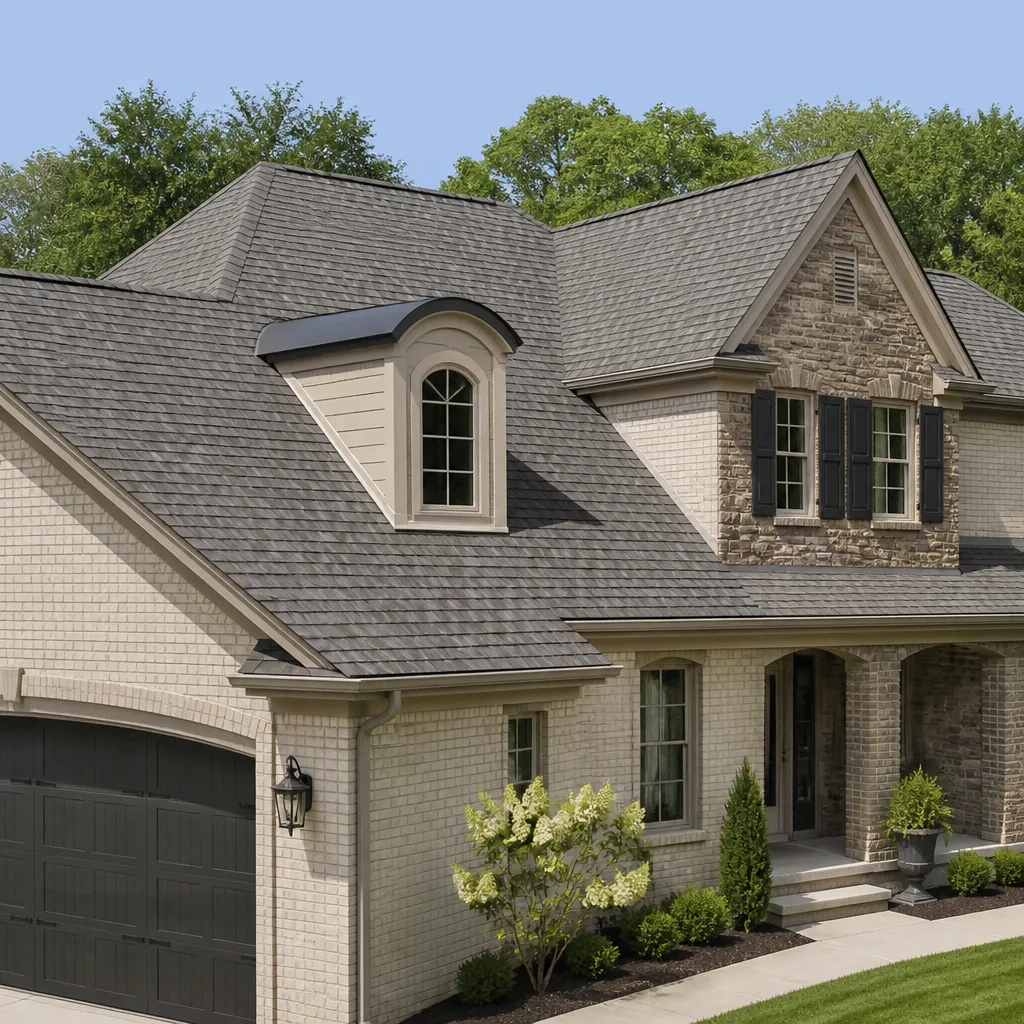 Owens Corning
 Flat & low-slope
Free roof inspection with deck photos before we talk money - GAF and Owens Corning certified installation
The Complete Guide to Roofing in Fresno
Fresno averages 106 days above 100°F each year, and most roofing guides written for “California homeowners” were built around San Jose weather data. That matters more than you’d think. A roof in Fresno weathers heat differently than one 150 miles west, and the advice on shingle lifespan, ventilation sizing, and material selection you’ve read elsewhere doesn’t fully apply to your house. This guide explains what actually happens to roofs in the San Joaquin Valley, what it means for your budget, and how to make choices that hold up under a Fresno summer. For more guides & resources, visit our blog.
Styles & brands we work with
Quick Answer
Roofing in Fresno starts with understanding that extreme heat cycling, not rain, is your roof’s biggest enemy. The right roof for this climate uses cool-roof rated materials, Class A fire resistance, and ventilation sized for 100°F-plus temperature swings. Most Fresno homeowners should expect to pay between $9,000 and $16,000 for a full replacement on a typical single-family home, with repairs ranging from $350 to $2,500 depending on scope.
Table of Contents
- How Fresno’s Heat Cycle Actually Wears Out Your Roof
- The Truth About Shingle Lifespans in the Central Valley
- Why Attic Ventilation Is Different in Fresno
- Title 24, Cool Roofs, and Fire Ratings: What Fresno Code Requires
- Choosing Roof Materials That Survive Fresno Summers
- What a Written Scope of Work Should Include in Fresno
- How to Read a Fresno Roofing Bid Line by Line
- Common Mistakes to Avoid
- When to Call a Professional
- Frequently Asked Questions
- The Bottom Line
How Fresno’s Heat Cycle Actually Wears Out Your Roof
Fresno’s climate attacks a roof through thermal cycling. During a typical summer day, your roof surface temperature can swing from the low 60s before dawn to 160°F or higher by mid-afternoon. That’s a 100-degree shift in under 12 hours, repeated roughly 106 times per year above the 100°F air temperature mark alone. Asphalt shingles expand when heated and contract when cooled. Every cycle stresses the asphalt’s polymer chains, and over thousands of cycles, the material embrittles. Granule loss accelerates. Sealant strips weaken. Small cracks form at the edges of shingles where thermal movement concentrates.
Coastal California roofs see milder daily swings, often 40 to 60 degrees. The roofing advice that works in San Jose or San Francisco simply doesn’t account for Fresno’s amplitude. In our experience working on roofs across the Fresno metro from Sunnyside to the Tower District, we regularly see 15-year-old shingles with granule loss patterns that look like 25-year roofs in coastal cities. Homeowners who understood this reality and selected materials accordingly spent less per year of roof life than those who bought based on generic California guidance.
The heat island effect compounds this. Fresno’s urban core retains heat overnight, which means roof surfaces in neighborhoods like Downtown, the Cultural Arts District, and even residential pockets near Blackstone and Shaw cool less overnight than roofs in more open areas. That extends the daily heating window and adds stress cycles. If your home sits in a dense part of Fresno, expect your roof to age faster than the same material on a rural property in Fresno County.
The Truth About Shingle Lifespans in the Central Valley
Manufacturers label shingles with “lifetime” or “30-year” warranties, but those warranties measure specific defects in manufacturing, not real-world service life under Fresno conditions. A 30-year architectural shingle from GAF or CertainTeed typically performs 15 to 20 years in Fresno before meaningful granule loss and brittleness set in. A 50-year premium shingle often lasts 22 to 25 years here. The warranty literature does not dispute this; it protects against manufacturing defects, not climate-induced wear.
Here’s what actually shortens asphalt shingle life in Fresno:
- UV exposure intensity: Fresno’s clear skies mean more direct ultraviolet radiation per year than almost any coastal California city. UV breaks down the asphalt’s plasticizers, which are the compounds that keep shingles flexible.
- Ozone exposure paired with heat: The San Joaquin Valley’s air quality challenges include elevated ozone. Ozone accelerates asphalt oxidation, and heat speeds the reaction further. A roof in Fresno ages faster than the same roof in a cooler, less ozone-heavy region.
- Thermal shock from rare rain: When a summer thunderstorm hits a 150°F roof, the sudden temperature drop can stress shingles already weakened by months of heat. This is why you sometimes see cracked shingles after a valley downpour.
The practical takeaway: when comparing quotes in Fresno, weight the material grade more heavily than the warranty label. A premium shingle from Owens Corning or Atlas rated for high-heat climates will outperform an entry-level shingle with an attractive warranty attached. The warranty is about defect protection; the material grade is about service life. Birchbark Roofing Fresno works with materials from GAF, CertainTeed, Tamko, and Atlas specifically because these manufacturers produce shingle lines tested for high-temperature regions.
Why Attic Ventilation Is Different in Fresno
Attic ventilation follows building code minimums in most of California, but Fresno’s temperature profile makes code-minimum ventilation insufficient for real-world performance. The California Residential Code base calculation for attic ventilation is 1 square foot of net free vent area per 150 square feet of attic floor space, reduced to 1:300 if you have a vapor barrier or balanced high-low ventilation. Those ratios were developed for broad climate zones. In Fresno, an attic at code minimum can hit 150°F or higher during July and August, which cooks your shingles from below while the sun cooks them from above.
The result is a failure loop: excessive attic heat accelerates shingle breakdown from beneath, which shortens roof life even with high-quality materials. It also pushes heat into your living space, driving up cooling costs and making your air conditioner work harder through Fresno’s hottest months.
Here’s what we recommend for a properly sized Fresno ventilation system:
- Size for the high end of the ratio: Target 1:300 net free vent area, not 1:150. That means a 1,500-square-foot attic needs approximately 5 square feet of net free vent area, split roughly evenly between intake and exhaust.
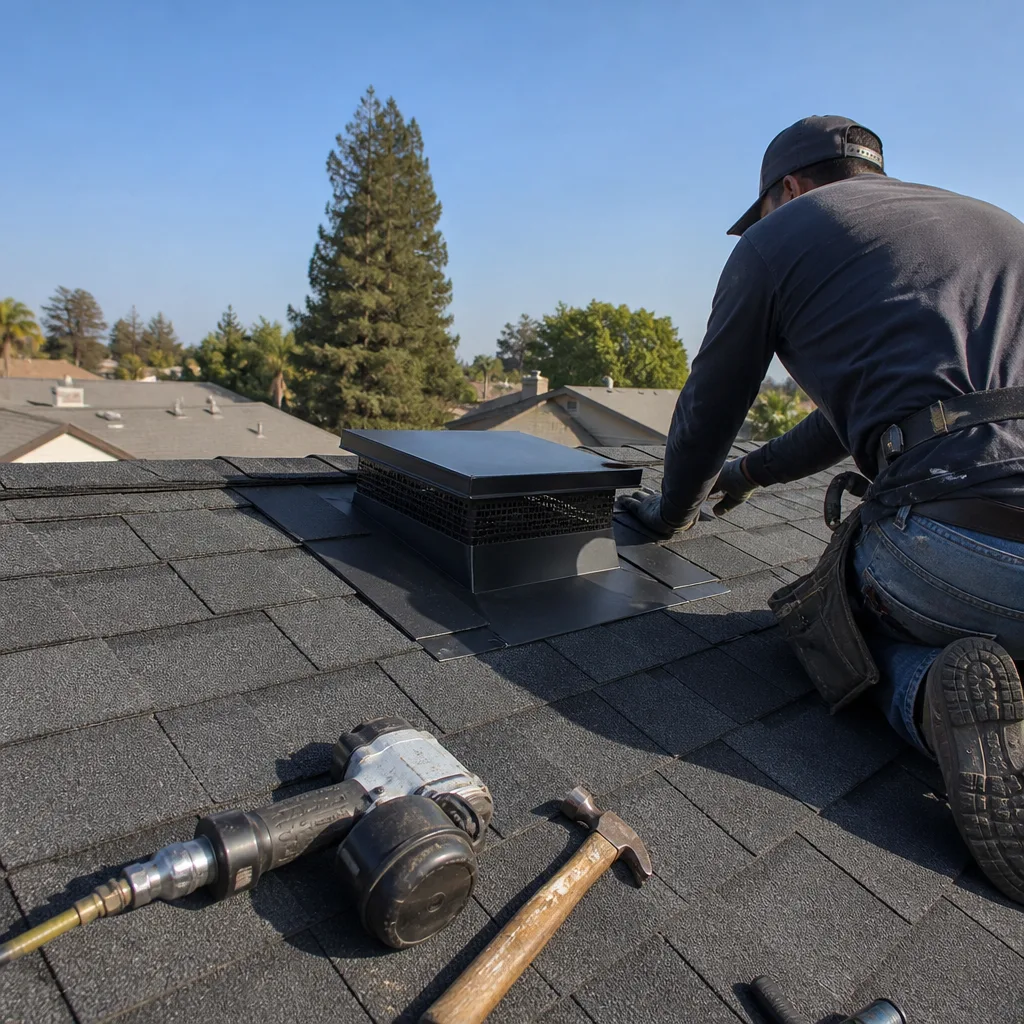
- Use continuous ridge vent paired with continuous soffit vent: This combination creates smooth airflow across the entire roof deck, which is more effective than box vents or gable vents for Fresno’s long heat runs.
- Verify soffit vents aren’t blocked: In dozens of Fresno homes across Woodward Park and Fig Garden, we’ve found soffit vents painted over or clogged with dust from valley air. Blocked intake vents turn a properly sized system into a non-functional one.
- Consider a solar-powered attic fan for stubborn cases: Homes with complex roof geometry or vaulted ceilings sometimes can’t get adequate passive ventilation. A solar attic fan from a brand like Air Vent or QuietCool, wired to run during peak heat, can drop attic temperatures 20 to 30 degrees.
Undersized ventilation doesn’t just shorten roof life; it voids shingle warranties in some cases. Most major manufacturers, including GAF and CertainTeed, require adequate ventilation as a condition of their warranty coverage. If a manufacturer determines your attic was improperly ventilated, they can deny a claim. The ventilation isn’t a nice-to-have; it’s part of the system.
Title 24, Cool Roofs, and Fire Ratings: What Fresno Code Requires
Fresno falls under California’s Title 24 energy code, which sets specific requirements for roof materials on residential reroofing and new construction. The California Energy Commission requires that reroofing projects in climate zones 13, which includes Fresno, use a cool roof material. A cool roof is measured by its Solar Reflectance Index, or SRI. For steep-slope residential roofs, the requirement is an SRI of 20 or higher for new shingles, and 75 or higher for low-slope roofs. Standard architectural shingles from GAF and CertainTeed include cool-roof color lines that meet these requirements. The color matters more than you’d think: a lighter granule color reflects more solar radiation, so “Driftwood” and “White” tones typically carry higher SRI values than dark browns or blacks.
Fire resistance is a separate concern. Fresno sits in a Wildland-Urban Interface zone in parts of the city, particularly near the San Joaquin River bluffs and the foothill edges of the eastern metro. The California Building Code requires Class A fire-rated roof assemblies in these zones. Most asphalt shingle systems achieve Class A when installed over the correct underlayment and decking. Tile roofs from Boral are inherently Class A. If you’re reroofing near the river or in neighborhoods like Sumner Hill, you’ll want to confirm the specific fire rating required for your parcel before selecting materials.
Here’s what Title 24 compliance looks like in practice for a Fresno reroof:
- Cool-roof rated shingles with documented SRI values included in the product submittal
- Class A fire assembly where required by the Wildland-Urban Interface maps
- A Title 24 compliance certificate from the installing contractor, filed as part of the permit package
- UV-rated synthetic underlayment, which is required by most manufacturer warranties and a Fresno best practice given the valley’s heat
Permitting in the City of Fresno requires a reroof permit through the Building and Safety Division. Your contractor should pull this permit, schedule inspections, and close out the permit before final payment. A roofing company in Fresno that handles permits as a standard part of the job removes a compliance burden most homeowners don’t want to manage themselves.
Choosing Roof Materials That Survive Fresno Summers
Fresno homeowners have more material options than most roofing guides acknowledge. The right choice depends on your budget, your roof’s slope, and how long you plan to stay in the house.
Asphalt Shingles
Architectural asphalt shingles remain the most common Fresno roofing choice. They’re cost-effective, widely available, and the cool-roof color lines make Title 24 compliance straightforward. For maximum Fresno durability, select a shingle with a high-performance polymer-modified asphalt core. CertainTeed’s Landmark line and Tamko’s Heritage line both offer Fresno-appropriate options. Expect 15 to 20 years of service life in this climate with proper ventilation.
Concrete and Clay Tile
Tile roofs from Boral are built for this climate. Tile adds significant thermal mass to the roof deck, buffering the daily temperature swing that destroys asphalt. A properly installed tile roof in Fresno can last 40 to 60 years with minor maintenance. The tradeoff is cost: tile systems run $18 to $35 per square foot installed, compared to $7 to $12 per square foot for architectural shingles. Tile also requires a roof structure that can handle the added weight. Fresno homes built before the 1980s often need structural reinforcement before tile can be installed.
Standing Seam Metal
Metal roofs are gaining traction in Fresno for good reason. A standing seam metal roof from a manufacturer like Boral or an approved equivalent has high SRI values, reflects heat effectively, and can last 40 to 50 years. The seams allow thermal movement without fatigue, which means Fresno’s daily temperature swings don’t stress the material the way they stress asphalt. Expect to pay $12 to $20 per square foot installed. The higher upfront cost buys you a roof that likely outlasts your tenure in the home.
Flat and Low-Slope Roofing
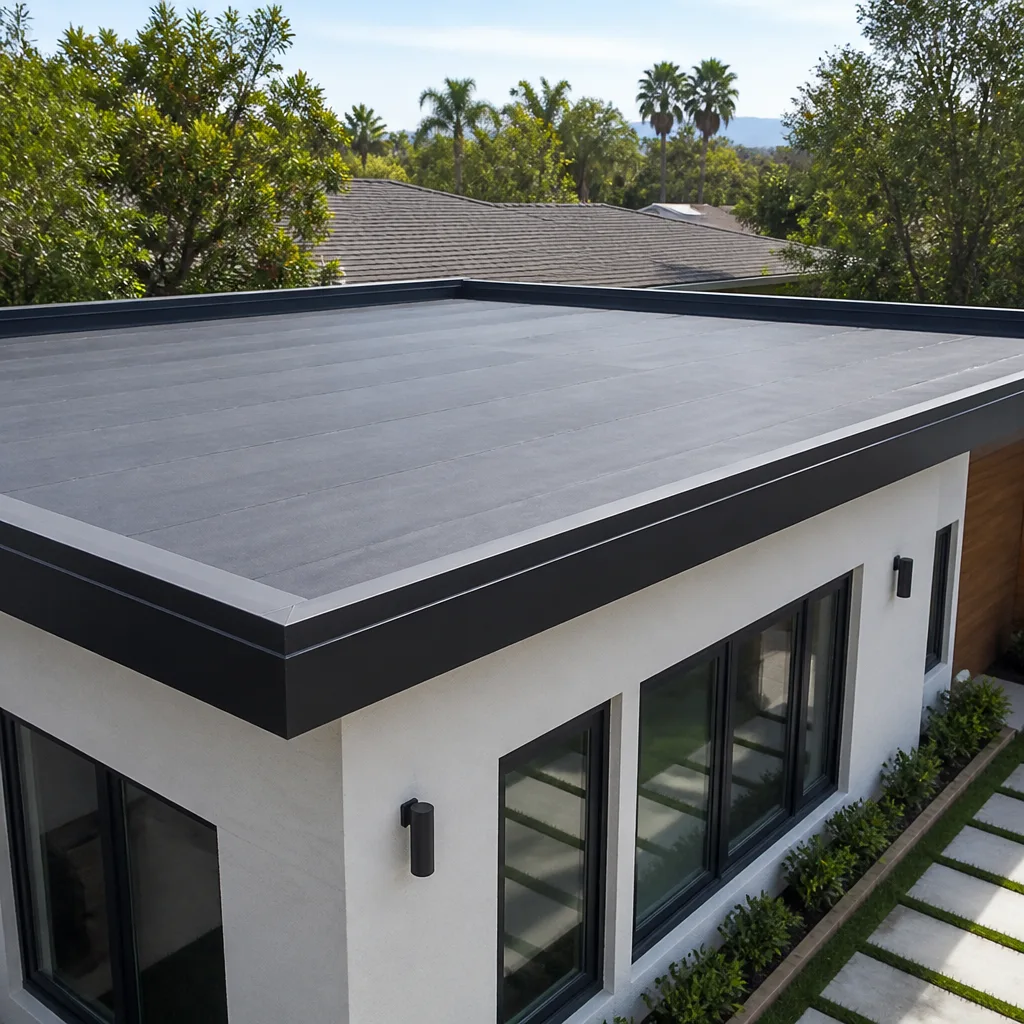
Many Fresno homes, especially mid-century builds in the Old Fig Garden area, have flat or low-slope roof sections. These require membrane systems: TPO, PVC, or modified bitumen. For Fresno’s heat, TPO with high reflectivity is the strongest choice. White TPO reflects heat aggressively and carries SRI values above 90, which means your attic stays dramatically cooler. Expect 15 to 20 years from a well-installed TPO roof in Fresno.
What a Written Scope of Work Should Include in Fresno
Every Fresno roofing project should begin with a written scope of work that spells out exactly what will happen, what materials will be used, and what it will cost. If you’re unsure how to evaluate contractors, read our How to Hire a Roofing Contractor in Fresno: A Step-by-Step Guide first. A verbal estimate is not a scope of work. If a contractor won’t put the details in writing before you agree to the job, walk away. Here’s what a proper scope of work for a Fresno roof includes:
- Material specifications by brand and product line: Not just “architectural shingles,” but “GAF Timberline HDZ in Weathered Wood, 50 square.” This prevents substitution of lower-grade materials after you’ve signed.
- Underlayment specification: For Fresno heat, specify a synthetic UV-resistant underlayment like GAF Deck Armor or Owens Corning ProArmor. Avoid old-school 30-pound felt, which degrades faster in high heat.
- Ridge vent and intake vent specifications: Name the product, the linear footage, and the net free vent area it will provide. This is where undersized ventilation hides.
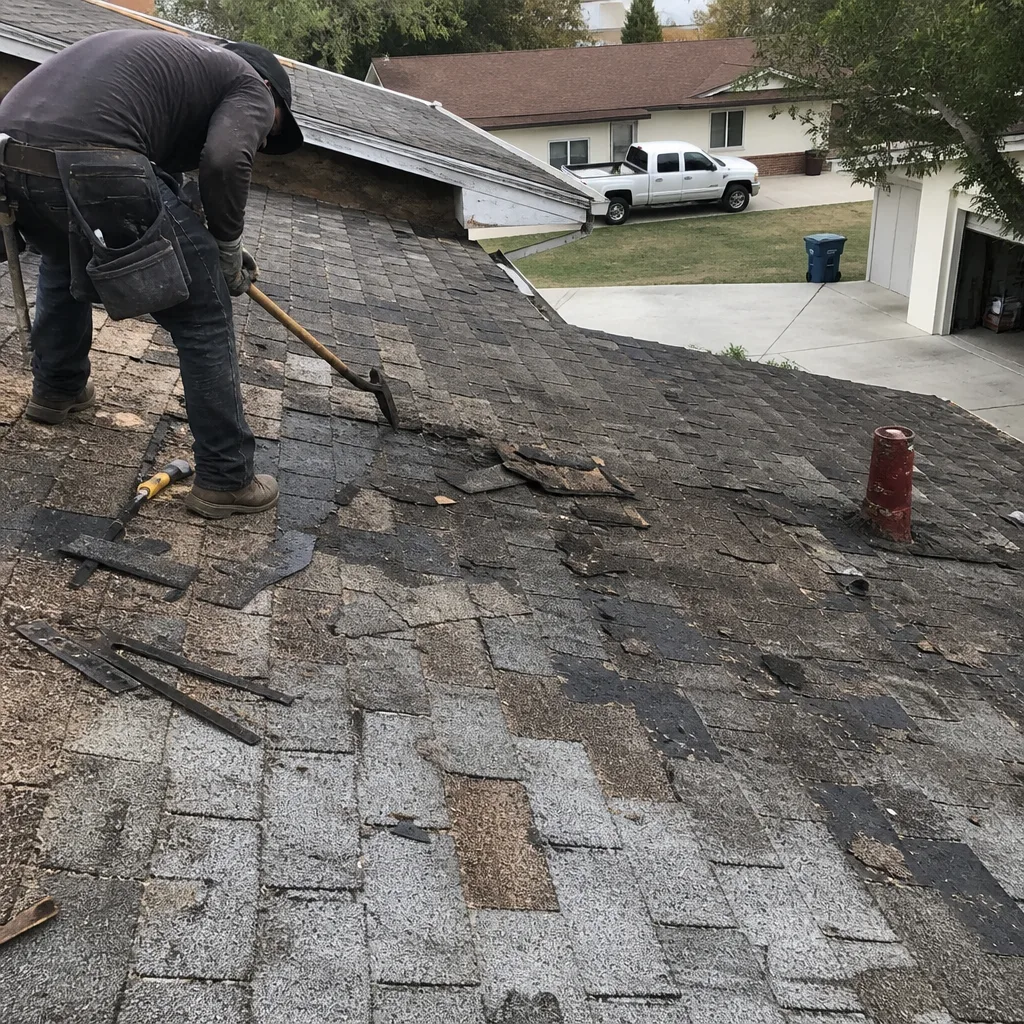
- Decking inspection and replacement terms: The scope should state that the decking will be inspected after tear-off, and that any rotted or delaminated sections will be replaced at a stated per-sheet price. Fresno homes with older plywood often need partial decking replacement.
- Flashing protocol: Specify that all pipe boots, chimney flashing, valley flashing, and wall flashing will be replaced, not reused. Reused flashing is a common shortcut that fails within a few years.
- Interior protection and clean-up terms: This is where Birchbark Roofing Fresno differs from many local contractors. Our scopes specify shoe covers at the door, drop cloths through the hallway, and a photo of the completed clean-up before the crew leaves. You should expect this from any contractor on your job.
- Permit and inspection responsibilities: The scope should identify who pulls the permit, who schedules inspections, and who handles any correction work if an inspection fails. This should be the contractor.
- Payment schedule and change order policy: A written price before work starts means exactly that. The scope should state that no change order will be performed without a written approval from you, with a new price attached.
The difference between a contractor who writes all this down and one who doesn’t is the difference between a predictable project and a series of surprises. When we prepare a scope for a Fresno homeowner, the document runs multiple pages. That’s not overkill; it’s the level of specificity a roofing project deserves.
How to Read a Fresno Roofing Bid Line by Line
Getting three quotes for a Fresno roof and picking the cheapest is the most expensive mistake a homeowner can make. Bids in Fresno vary widely not because labor rates differ dramatically, but because the scopes behind the numbers are different. Two contractors can both quote “roof replacement with architectural shingles” and one produces a roof that lasts 20 years while the other produces one that fails in 12. The difference hides in the line items.
Here’s how to compare bids properly:
- Check the shingle brand and line specifically. If one bid says “30-year architectural shingle” and another says “CertainTeed Landmark,” ask the first contractor to name the exact product. Generic descriptions often mean entry-level materials.
- Compare underlayment type. Synthetic underlayment costs more than felt but performs materially better in Fresno heat. A cheap bid often hides savings here.
- Confirm ice and water shield placement. In Fresno, this is less about ice dams and more about sealing penetrations and valleys against wind-driven rain. A proper bid includes it at eaves, valleys, and around penetrations.
- Look for flashing replacement, not reuse. Bids that say “reuse existing flashing where possible” are bids that cut corners. Flashing is cheap relative to the damage it prevents.
- Verify the ventilation line item. If the bid doesn’t include new ridge vent and soffit vent work, ask why. Undersized ventilation in Fresno is a roof killer, and a bid that skips it is setting you up for premature failure.
- Check the clean-up and protection line. Does the bid mention what happens inside your home during the job? If not, ask. The answer tells you a lot about how the crew will treat your house.
The goal of comparing bids isn’t to find the lowest number; it’s to find the bid that specifies the most complete system for a fair price. When you call us at (559) 785-9461 for a roof replacement in Fresno, you’ll receive a written price that specifies every line item above before any work starts. That’s not negotiable; it’s how we operate.
Common Mistakes to Avoid
- Choosing shingles by color instead of by heat performance. The darkest shingles in a product line can have SRI values below Title 24 requirements, which means you’ll fail energy compliance and absorb more heat. Pick color after you’ve confirmed the cool-roof rating.
- Skipping the ventilation upgrade during a reroof. If you’re tearing off anyway, adding proper ridge and soffit venting costs a few hundred dollars and extends the life of your new roof by years. Reroofing without fixing ventilation is a missed opportunity you’ll pay for twice.
- Accepting a low bid that reuses flashing. Flashing around chimneys, pipes, and walls is where roofs leak first. Reusing old flashing on a new roof is like putting old tires on a new car.
- Ignoring the permit requirement. Some Fresno homeowners let contractors work without pulling a reroof permit. This violates city code, can void your insurance coverage, and creates problems if you try to sell your home later. Permits protect you.
- Waiting until winter to schedule. Fresno’s rainy season is short but real. Roofing contractors book heavily in October and November. Schedule for late spring or early fall and you’ll get better scheduling flexibility and avoid rushing a job before a storm.
- Not asking about interior protection. A roofing job creates dust, vibration, and occasional debris inside the home. If your contractor can’t tell you what they’ll do to protect your floors and belongings, that’s a red flag about how the crew will operate.
- Choosing the cheapest bid without comparing line items. In Fresno’s roofing market, the cheapest bid is usually the one that specifies the least. That’s not savings; it’s deferred cost.
When to Call a Professional
Some roofing issues are obvious: a missing shingle after a wind storm, a ceiling stain after rain, granules collecting in your gutters. Others are less visible. If you notice your attic feels hotter than the rest of the house during summer, that’s a ventilation problem. If your energy bills climb while your usage stays steady, your roof’s reflectivity may be the culprit. If your shingles look shiny or blistering when you’re in the yard looking up, that’s advanced heat damage. Any of these signals warrants a professional inspection. Roof repair in Fresno caught early is dramatically cheaper than replacement caught late. Birchbark Roofing Fresno offers free estimates in Fresno, call (559) 785-9461 to schedule an inspection. We’ll tell you what we see and put the price in writing before you decide anything.
Frequently Asked Questions
A full roof replacement on a typical single-family Fresno home costs between $9,000 and $16,000 for architectural shingles, with tile and metal systems running higher. Your exact price depends on roof size, slope, decking condition, and material grade. Call (559) 785-9461 for a free estimate with a written price before any work starts.
A properly installed architectural shingle roof lasts 15 to 20 years in Fresno’s heat, compared to 20 to 30 years in coastal California. Tile and standing seam metal roofs last 40 to 60 years. Proper ventilation and cool-roof materials extend service life at the margin, but Fresno’s thermal cycling shortens every asphalt product’s real-world lifespan.
A cool roof is one with a Solar Reflectance Index high enough to meet California’s Title 24 requirements, which apply to reroofing in Fresno. For steep-slope residential roofs, the minimum SRI is 20. Most manufacturers offer cool-roof color lines within their standard shingle products, so compliance usually just means picking the right color.
Yes. The City of Fresno requires a permit for reroofing, and your contractor should pull it, schedule inspections, and close it out. Working without a permit violates city code and can create problems with insurance and resale. A legitimate contractor handles the permit process as part of the job.
Yes, and a good Fresno roofing crew will make the process as unobtrusive as possible. At Birchbark Roofing, that means shoe covers at the door, drop cloths through the hallway, and a photo of the completed clean-up before the crew leaves. If the dog needs to stay inside, we coordinate the door schedule with you, and we use pet-safe products where there’s a choice.
Twelve years is within the realistic service life for entry-level asphalt shingles in Fresno’s heat. If your attic ventilation was undersized or your shingles were a dark color, premature cracking is even more likely. The fix is a full replacement with heat-rated materials and properly sized ventilation, which is what we recommend when we see early shingle failure in Fresno.
Not at Birchbark Roofing. Our written price includes the full scope before any work begins. The only circumstance where a change order applies is if we discover something hidden during tear-off, like rotted decking, and in that case we show you photos and get written approval before proceeding. Call (559) 785-9461 and we’ll walk you through exactly what’s included in our written price.
The Bottom Line
Fresno’s roofing decisions are driven by a climate most national guides ignore. Extreme heat cycling degrades asphalt faster than coastal California, which means material grade, ventilation sizing, and cool-roof compliance matter more here than almost anywhere else in the state. A homeowner who understands this reality will pay less per year of roof life and stress less over the life of the roof. The practical path forward: get multiple bids, read them line by line, insist on a written scope of work, and choose the system that’s specified completely, not the bottom line that’s cheapest. Keep up with regular care using our Roofing Company Maintenance Checklist for Fresno Homeowners. Your roof protects everything under it. In Fresno, it earns its keep every summer.
If you’d like a free estimate on repair or replacement, Birchbark Roofing Fresno would be glad to help. Call (559) 785-9461 and we’ll put the price in writing before you decide anything.
Written by Erik Lindgren, Owner at Birchbark Roofing Fresno, serving Fresno since 2000.
See the difference
 Before
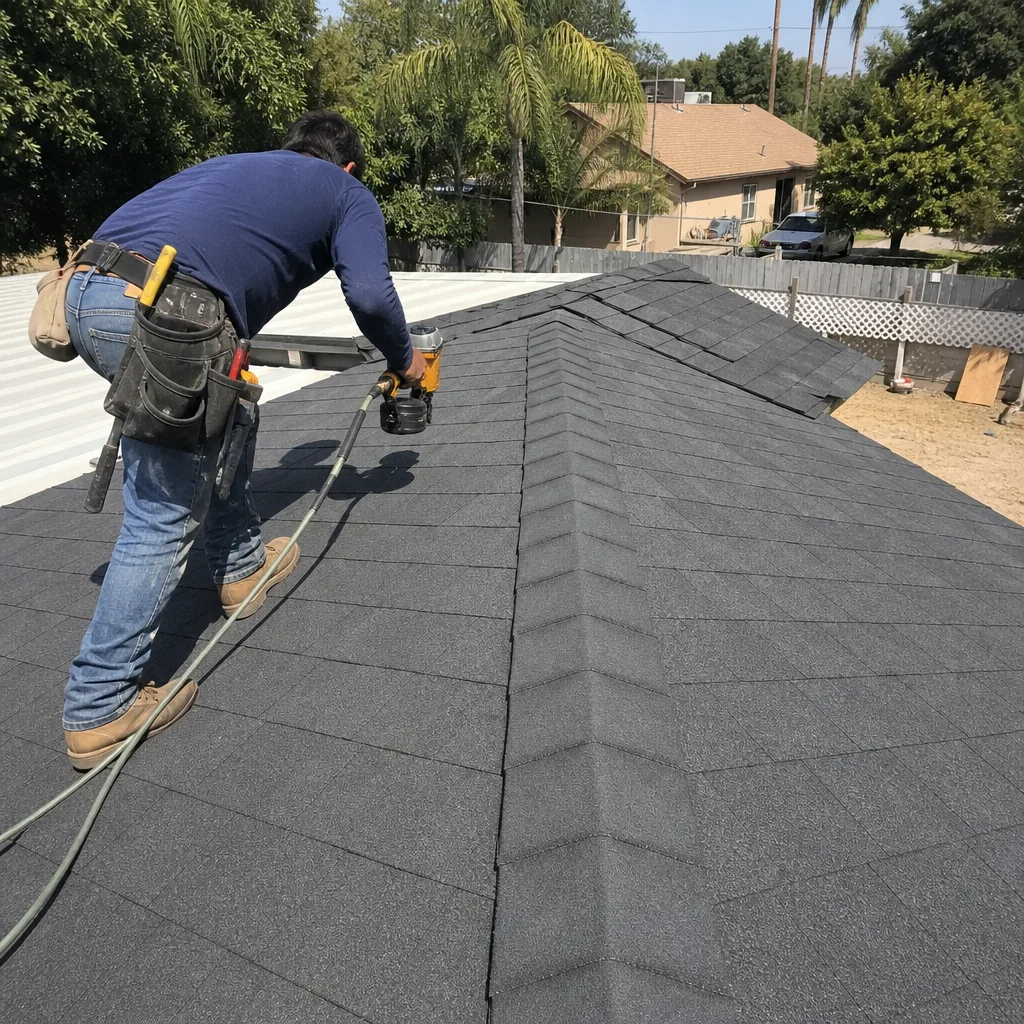
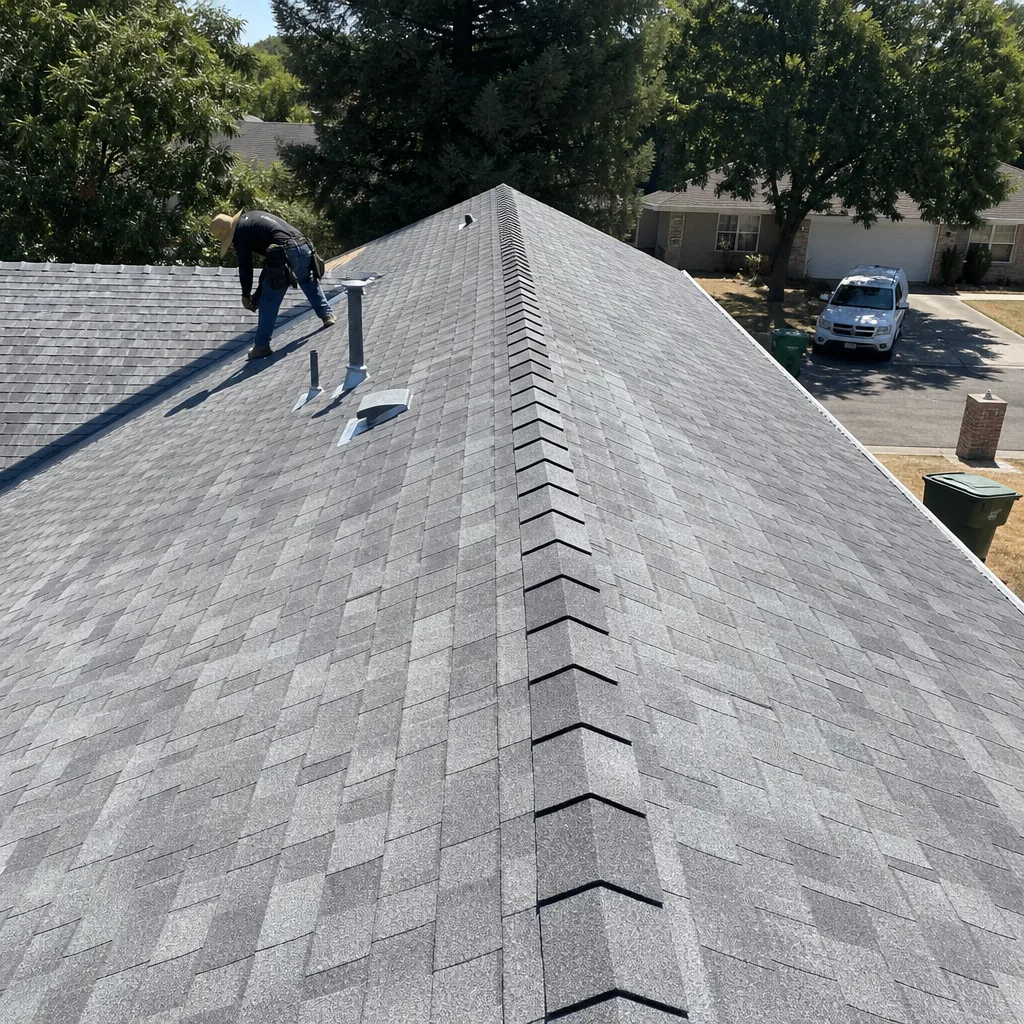
 After
After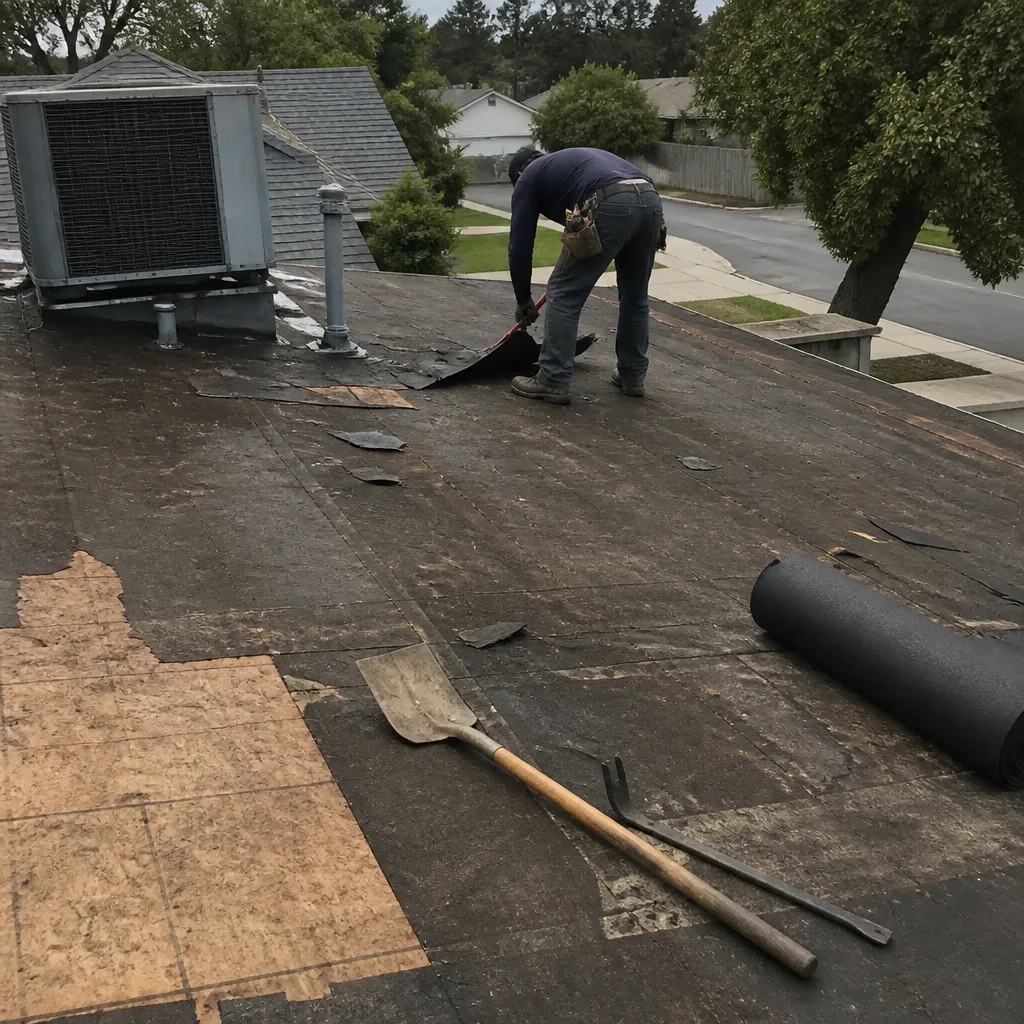 Before
 After
After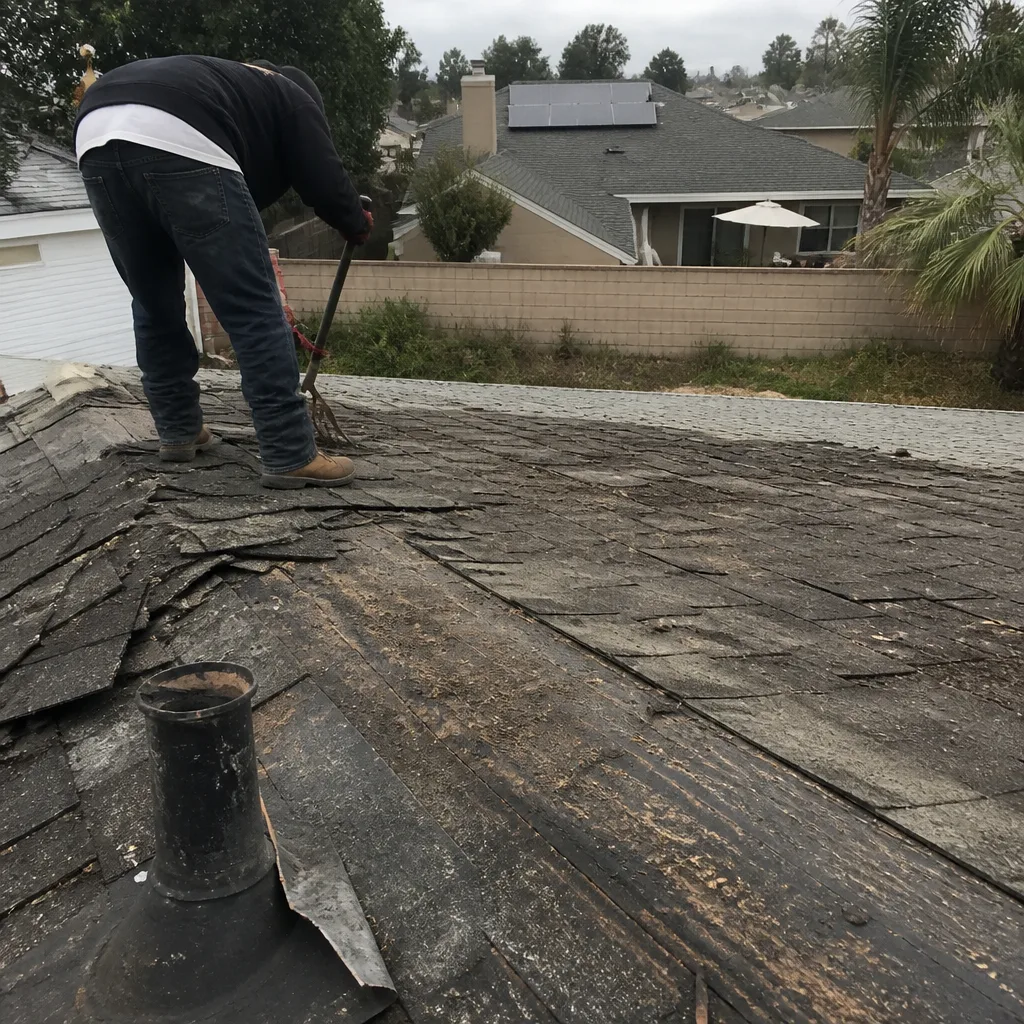 Before
 After
After