
Last updated October 17, 2026
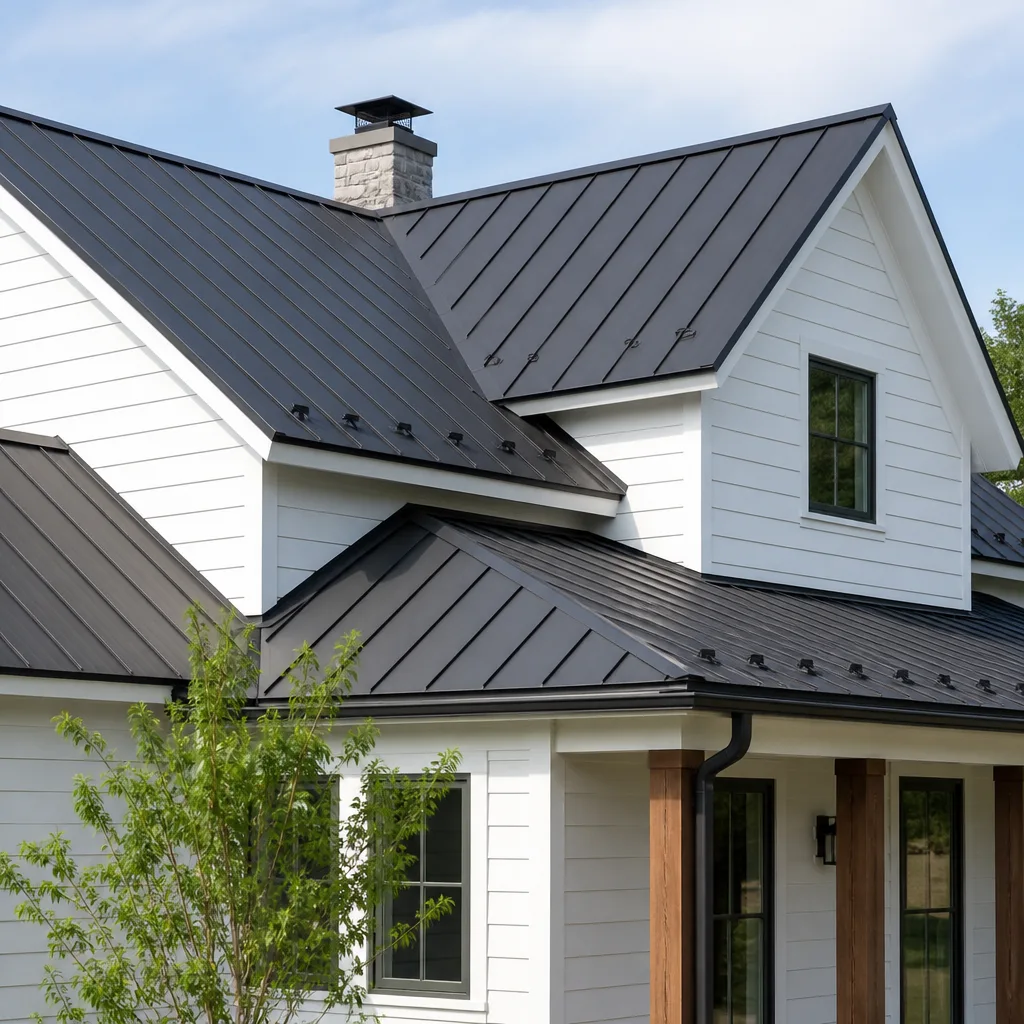 Metal roofing
 Architectural shingles
 Tile roofing
 GAF
GAF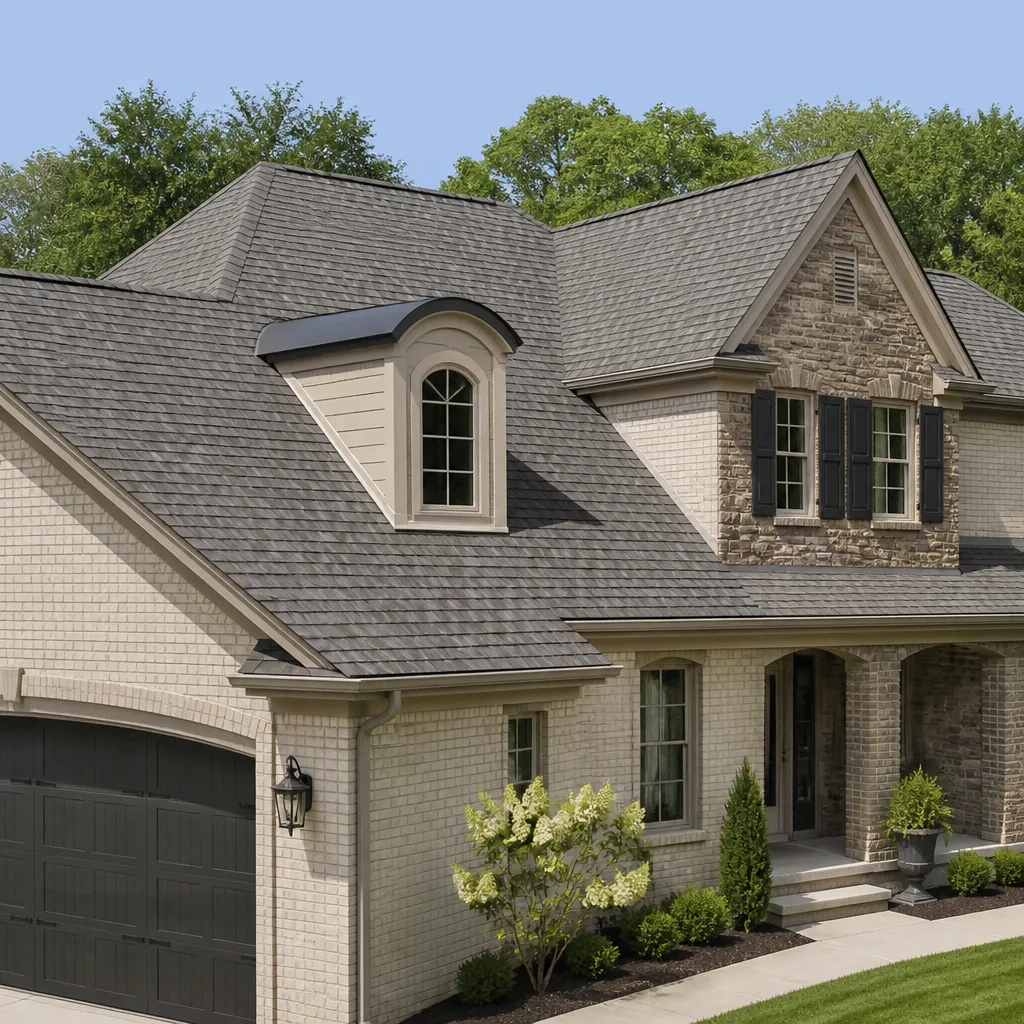 Owens Corning
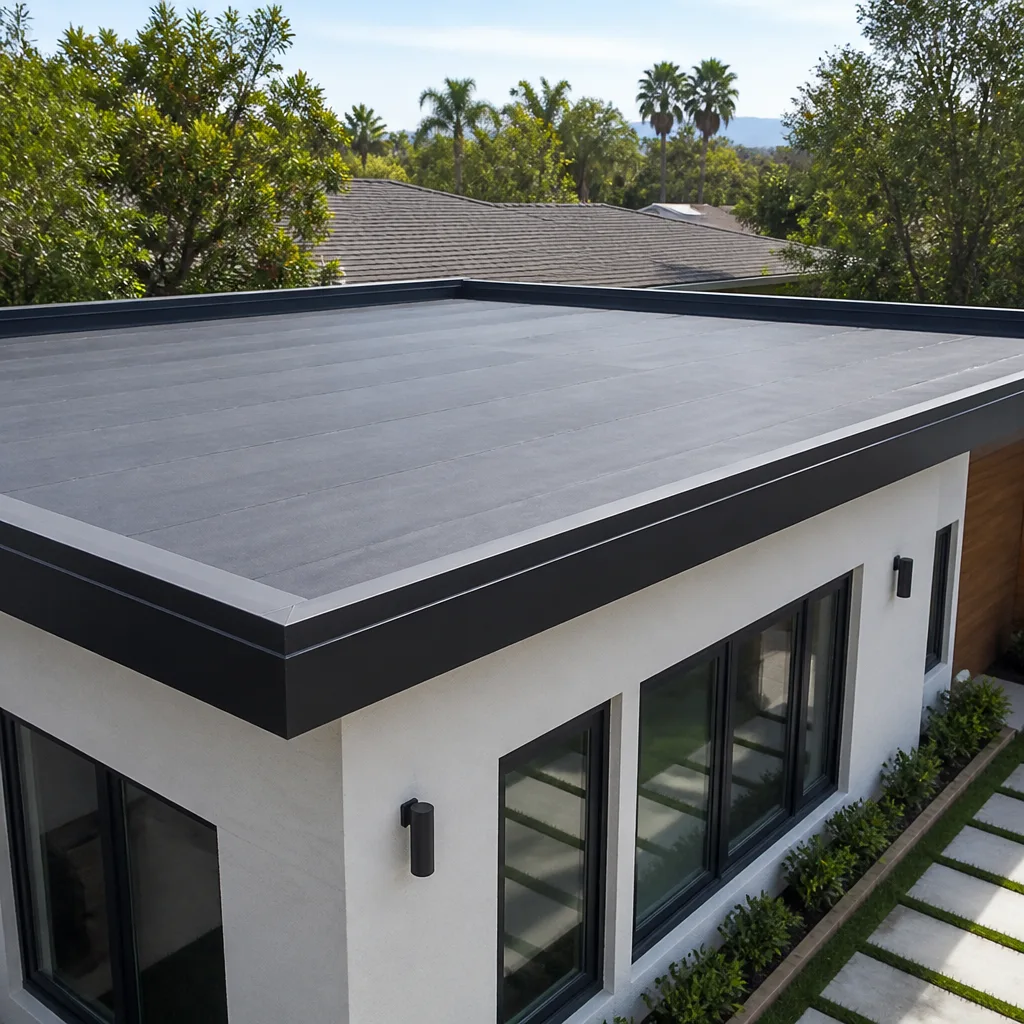 Flat & low-slope
Free roof inspection with deck photos before we talk money - GAF and Owens Corning certified installation
Seasonal Roofing Care for Fresno: Year-Round Homeowner’s Guide
The roof leak that shows up in December wasn’t caused by the rain. It was caused by what happened to your shingles in July. Fresno’s seasonal roofing calendar is built backwards from how most people think about it, and once you understand that, you stop being surprised by water where it shouldn’t be. This guide walks you through the real four seasons of roof care in Fresno, what each one does to your roof, what to check and when, and how to keep a simple log that will save you money and headaches for as long as you own the home. For more guides & resources, visit our blog.
Quick Answer
Seasonal roof care in Fresno means checking your roof at four specific points each year: inspect sealants around vents and skylights every October before the first hard December rain, check for thermal stress damage in May when temperatures climb quickly, watch flat and low-slope areas during tule fog season from December through February, and book a professional inspection each spring after rain has revealed problems but before summer heat makes repairs harder. A simple written log of these checks protects you during insurance claims and adds documented care history when you sell.
Styles & brands we work with
Table of Contents
- Why Fresno’s Climate Punishes Roofs Differently Than the Coast
- The May Thermal Stress Window: The Season Nobody Watches
- Summer UV and Sealant Degradation: The Quiet Roof Killer
- The First Hard Rain of December: What It Actually Reveals
- Tule Fog Season and Low-Slope Roofing: The Overlooked Risk
- Why Spring Is the Right Time for a Professional Roof Inspection in Fresno
- How to Keep a Seasonal Roof Log That Protects You
- Common Mistakes to Avoid
Why Fresno’s Climate Punishes Roofs Differently Than the Coast
Fresno sits in the San Joaquin Valley, where summer temperatures routinely cross 100°F and winter mornings drop into the 30s. A roof in Fresno endures a temperature swing of 70 degrees or more across a single year, and that swing is not gradual. Coastal roofs deal with salt air and moisture. Fresno roofs deal with sustained ultraviolet exposure, rapid thermal expansion, and long dry spells interrupted by sudden, intense rain. The materials behave differently under those conditions. Asphalt shingles lose volatile compounds faster in sustained heat. Sealants around roof penetrations cure, then crack, then separate from the flashing. Flat and low-slope roofs absorb heat all day and release it all night, which stresses seams and lap joints. Understanding this climate is the first step in knowing when to look at your roof and what to look for.
If you’re new to the area or buying a home here, a good starting point is reading through our guide to Birchbark Roofing Fresno home services, which explains what full roof care looks like in this specific valley climate. The short version is this: in Fresno, the roof doesn’t wear evenly. It wears in specific places at specific times of year, and a homeowner who knows the calendar catches small problems before they become big ones.
The May Thermal Stress Window: The Season Nobody Watches
Most homeowners think roof problems start in winter. In Fresno, the first real stress test happens in May, when daytime highs climb 40 degrees in three weeks. That rapid climb expands shingles, metal flashing, and sealant at different rates. Shingles expand and contract faster than the nails holding them. Flashing moves differently than the shingles around it. Sealant at vent pipes, skylights, and HVAC curbs stretches and compresses. Over several Mays, that repeated movement creates hairline gaps that aren’t visible from the ground. Then July and August bake those gaps wider. By the time December rain arrives, water has a path inside.
What a homeowner should do in May is simple and takes fifteen minutes from the ground or a ladder at the gutter line:
- Walk the perimeter of the house and look for shingles that appear lifted, curled at the corners, or shifted out of line with their neighbors.
- Check the areas around vent pipes, plumbing stacks, and skylights for visible cracks in the caulking or sealant. Binoculars work if you don’t want to climb.
- Look at the flashing where the roof meets chimneys, walls, or dormers. Gaps here widen every May.
- Note anything unusual in a simple notebook. You’re building the seasonal log we cover later in this guide.
May is also a good month to think about a professional eye. A Roofing Company in Fresno that knows the valley’s thermal cycle will spot early stress before it becomes a leak. The cost of that inspection is small compared to what December water damage costs.
Summer UV and Sealant Degradation: The Quiet Roof Killer
Fresno’s summer sun delivers roughly 3,800 hours of sunshine per year, and a large share of that arrives between June and September. Ultraviolet radiation breaks down the molecular bonds in asphalt shingle granules and, more importantly, in the sealants and caulks used around roof penetrations. Vents, skylights, HVAC curbs, plumbing boots, and satellite dish mounts all depend on flexible sealant to stay watertight. That sealant has a service life. In Fresno’s heat, the effective life of common roof sealant is shorter than the manufacturer’s general estimate because sustained high temperatures accelerate curing and cracking.
We see this pattern constantly in our work. Sealant that looked fine in April is brittle by late September. The gap between the flashing and the vent pipe opens just enough to let a trickle of water through when the first December storm hits. The homeowner sees a leak and assumes the roof failed suddenly. In truth, the roof has been failing slowly for months. The fix is usually straightforward: remove the old sealant, clean the surface, apply a new bead of high-quality sealant compatible with the roofing material. But catching it in October costs a few hundred dollars or less, while catching it in January often means interior drywall repair on top of the roof work.
We work with materials from GAF, CertainTeed, Owens Corning, IKO, Atlas, Tamko, and Boral, and each has its own recommended sealant system for this climate. The brand matters less than the timing. October is the inspection month in Fresno. Every penetration point gets a close look, and any sealant showing cracks, shrinkage, or separation gets replaced before the rain arrives.
The First Hard Rain of December: What It Actually Reveals
The first hard rain in Fresno typically arrives in late November or December. It doesn’t cause roof problems. It reveals them. The water that finds its way inside your home in December entered through a gap that has been growing since May. This is the most important shift in how to think about roof care: the rain is the reporter, not the culprit.
Here’s what to do in the 48 hours after the first significant rainfall of the season:
- Check ceilings in every room, especially corners where roof lines change, around can lights, and near chimneys.
- Look in the attic, if accessible, for damp insulation, water stains on rafters, or any daylight showing through the roof deck.
- Inspect the exterior walls below roof intersections for water streaks that indicate a flashing failure.
- Take photos of anything you find and add notes to your roof log with the date.
If you find water, the first call should be to a Roof Repair in Fresno specialist who can trace the leak to its source. December repairs are common, but the goal of this guide is to help you avoid them by catching problems in May and October. When repairs are needed, we always provide a written price before any work starts. You’ll know the dollar amount, in writing, before anyone climbs a ladder. That’s how it should work every time.
Tule Fog Season and Low-Slope Roofing: The Overlooked Risk
From December through February, the Central Valley gets tule fog: dense, low-lying fog that can sit for days without burning off. For pitched roofs, tule fog is mostly a nuisance that keeps moisture on the surface longer than usual. For flat and low-slope roofs, it’s a genuine concern. The fog deposits fine moisture that penetrates seams, lap joints, and membrane edges in a way rain doesn’t. Rain falls and runs off. Fog settles and stays. On a low-slope roof with even a minor seam separation, weeks of fog can deliver more water into the assembly than a single rainstorm.
Homeowners with flat or low-slope sections should add a fog-season check to their calendar. Here’s what to look for between December and February:
- Standing water or damp patches that remain visible on the roof surface more than 48 hours after the fog clears.
- Blisters, bubbles, or wrinkles in the membrane that indicate trapped moisture underneath.
- Soft spots you can feel when walking the roof, though we recommend leaving any on-roof inspection to a professional for safety reasons.
- Interior ceiling staining that appears during foggy periods even though it hasn’t rained.
If you have both pitched and flat sections on your Fresno home, the flat section will nearly always need attention first. It takes more weather stress, holds moisture longer, and fails in ways that are harder to see from the ground. A professional roof inspection that includes close-up assessment of low-slope areas is worth every dollar, and it’s a core part of what we cover when we visit homes across Fresno.
Why Spring Is the Right Time for a Professional Roof Inspection in Fresno
Spring is the sweet spot for a professional inspection in Fresno, and here’s the logic: the rain has already done its work revealing problems, the fog has lifted, and the summer heat hasn’t yet arrived to make repairs harder and materials less workable. For a deeper look at timing your project right, see The Complete Guide to Roofing in Fresno. Contractors are also less backed up in March and April than in November and December, when every homeowner in the valley suddenly remembers their roof exists. If your spring inspection turns up issues, you can schedule the repair on your terms, before the May thermal stress window opens and before the summer sun bakes any existing damage worse.
A professional spring inspection should include:
- Close-up assessment of all sealants around vents, skylights, HVAC curbs, and plumbing boots.
- Flashing inspection at chimneys, walls, valleys, and roof intersections.
- Shingle condition check for granule loss, curling, cracking, and loose nails.
- Gutter and downspout review to confirm water is moving away from the foundation.
- Attic inspection for signs of past or current moisture intrusion.
- Flat or low-slope membrane assessment, including seam and lap joint condition.
If the inspection finds that the roof has reached the end of its useful life, you’ll want a clear picture of what Roof Replacement in Fresno involves. We walk every homeowner through the full scope in plain language, provide a written price before any work begins, and every replacement is covered by our 365-Day Done Right Promise. If it’s not done right, we make it right. That’s stamped on every job we do.
How to Keep a Seasonal Roof Log That Protects You
A roof log is exactly what it sounds like: a simple written record of what you looked at, what you found, and what you did. It takes five minutes per entry and pays off in two specific ways. First, if you ever file an insurance claim for roof damage, a dated log showing consistent seasonal maintenance gives the adjuster evidence that the roof was cared for. Second, when you sell the home, a maintenance log with dates and details tells buyers the roof wasn’t neglected, which can protect your asking price and speed up the sale.
Here’s the simple system we recommend:
- Buy a small notebook or create a digital document. Date every entry.
- In May, record what you observed during your thermal stress check. Note any lifted shingles, sealant cracks, or flashing gaps you saw.
- In October, record the condition of sealants at every penetration point. Note anything you repaired or had repaired.
- After the first hard rain of December, record what you found inside and in the attic. Include photos if possible.
- During fog season, record any standing water or dampness on flat or low-slope sections.
- In spring, record the date and findings of your professional inspection. Attach the written report if you have one.
- Every time a contractor does work on the roof, record the date, the scope, the materials used, and the price. Keep the written quote and invoice together.
That last point matters more than most people realize. When we complete a repair or replacement at a Fresno home, the homeowner gets written documentation of exactly what was done, what materials were used, and what the guarantee covers. Those documents become part of the home’s maintenance history. Buyers respect that. Insurance adjusters respect that. And you’ll sleep better knowing the roof’s story is written down.
Common Mistakes to Avoid
- Waiting for a leak to look at the roof. By the time water shows up on the ceiling, the problem has been developing for months. The December leak started in May. Check the roof before you think you need to.
- Ignoring sealant because shingles look fine. In Fresno, most leaks on otherwise healthy roofs come from failed sealant at penetrations, not from shingle failure. October is the month to check every vent, stack, and skylight.
- Treating the December rain as the problem. The rain is the messenger. The problem is the thermal stress and UV exposure from May through September. Fix the cause, not the symptom.
- Forgetting flat and low-slope sections during fog season. Tule fog delivers moisture differently than rain, and it finds seam separations that a rainstorm passes over. Check low-slope areas between December and February.
- Skipping the spring inspection because “nothing is wrong.” Spring is when inspections are cheapest, contractors are most available, and repairs are least disruptive. Waiting until November costs more and takes longer.
- Not keeping written records. A roof log turns your maintenance efforts into a documented asset. Without records, your careful work is invisible to insurers and buyers.
- Hiring help without getting a written price first. You should know the dollar amount before any work starts. A handshake quote is not a quote. We provide written pricing on every job, always, with no exceptions.
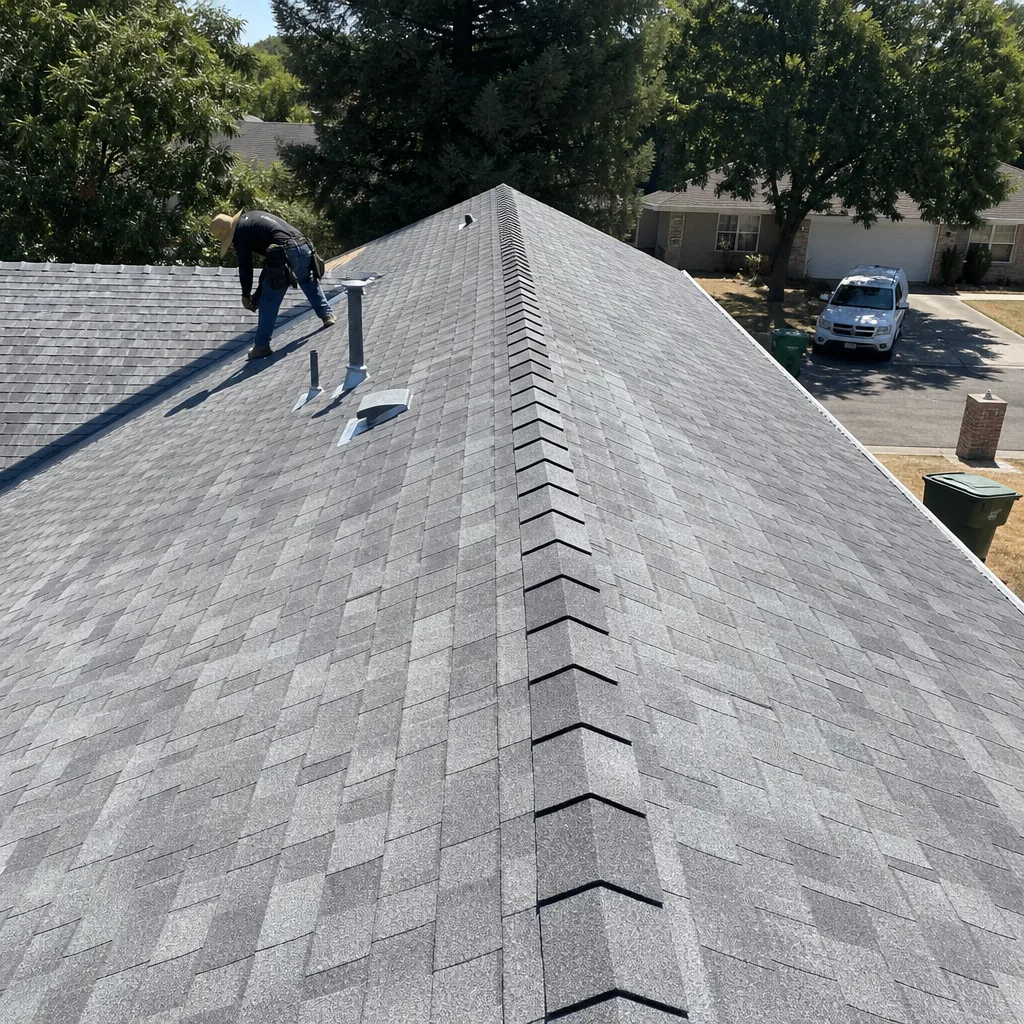
See the difference
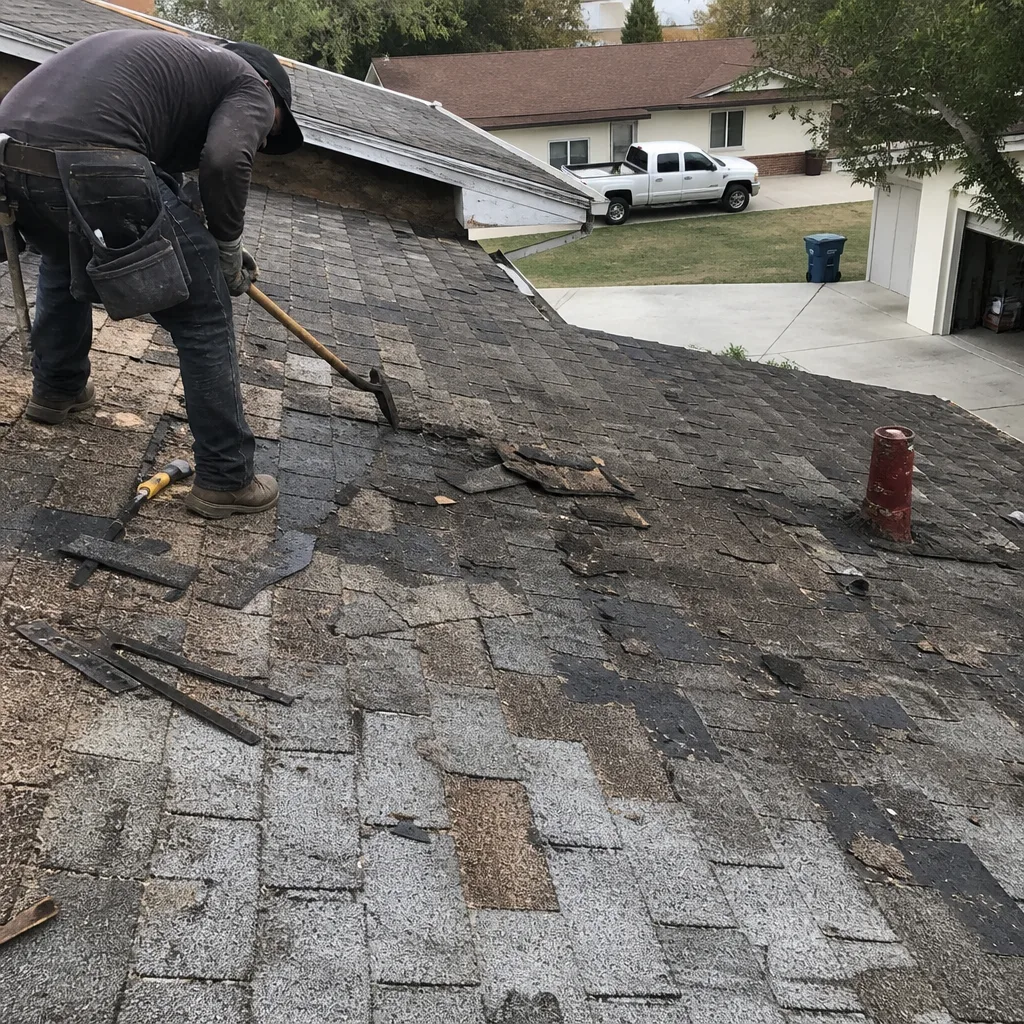 Before
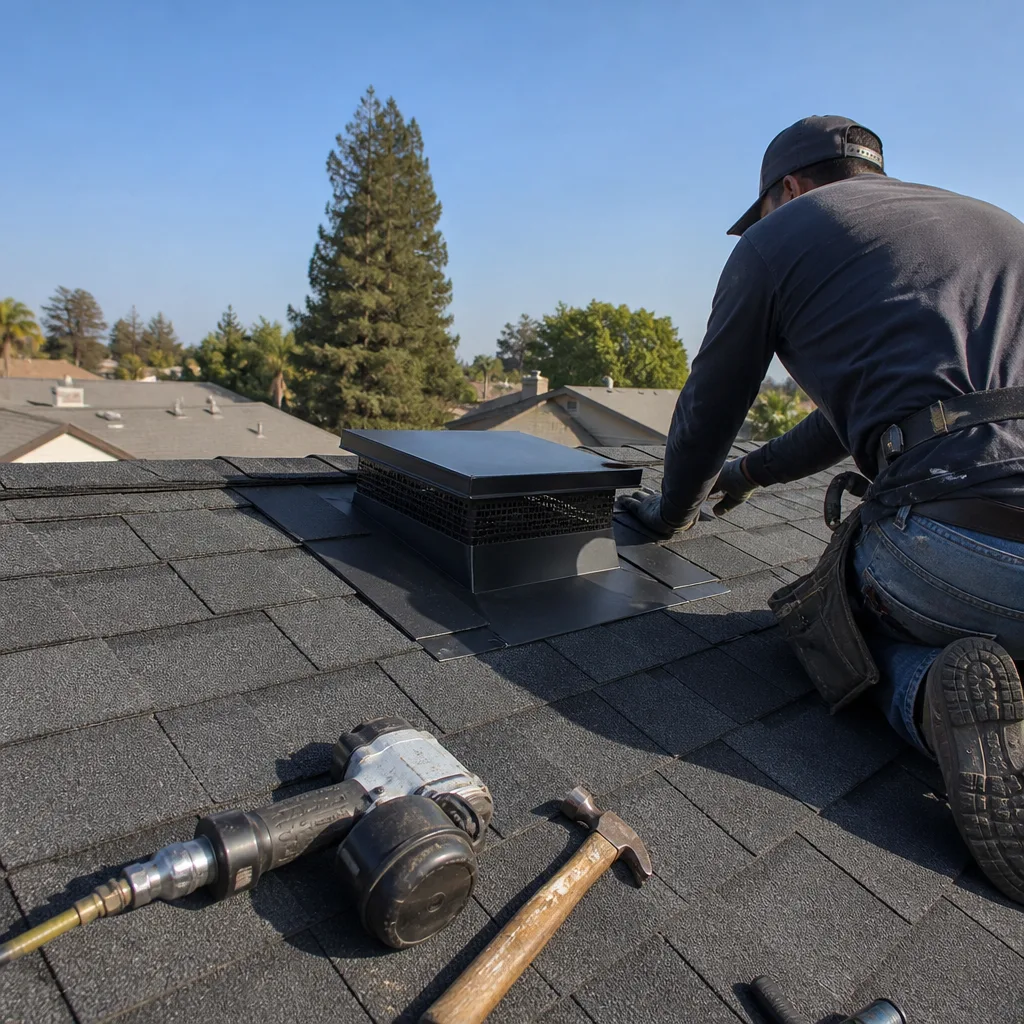 After
After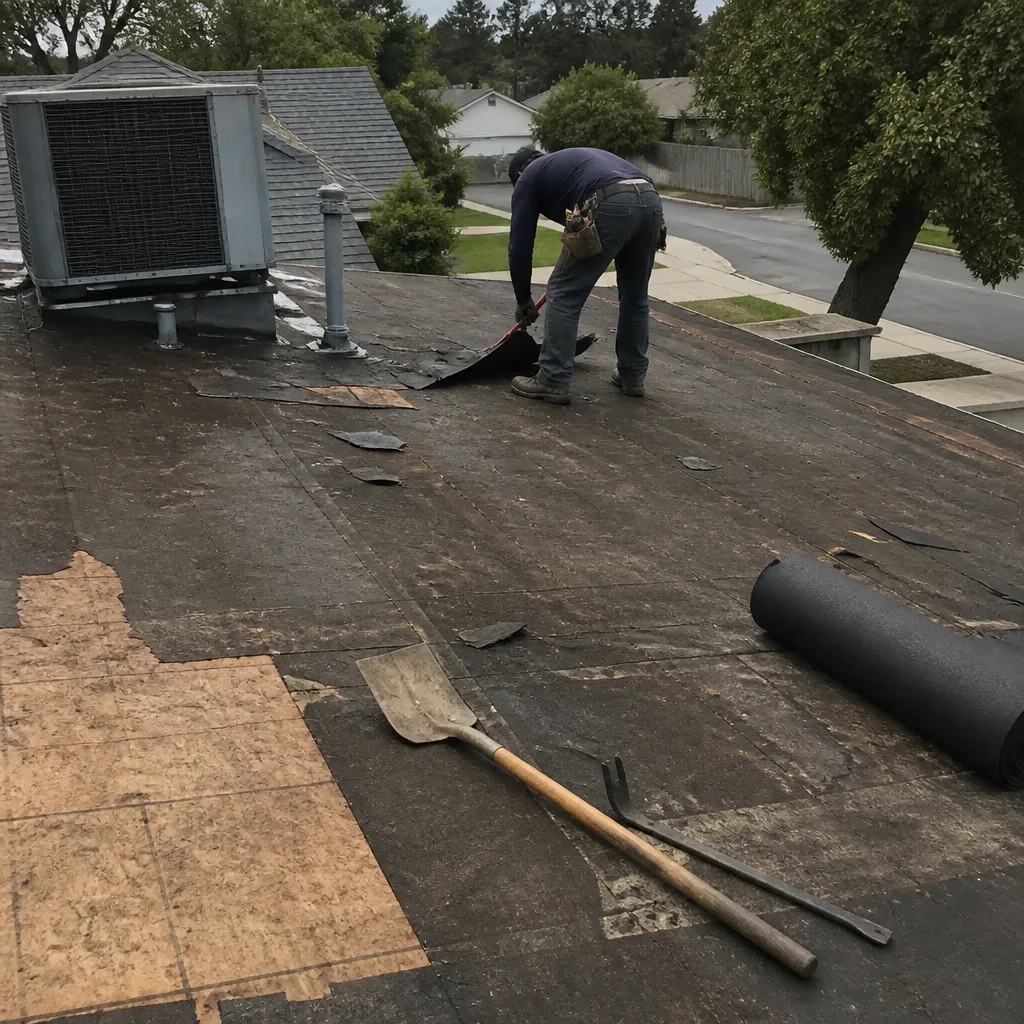 Before
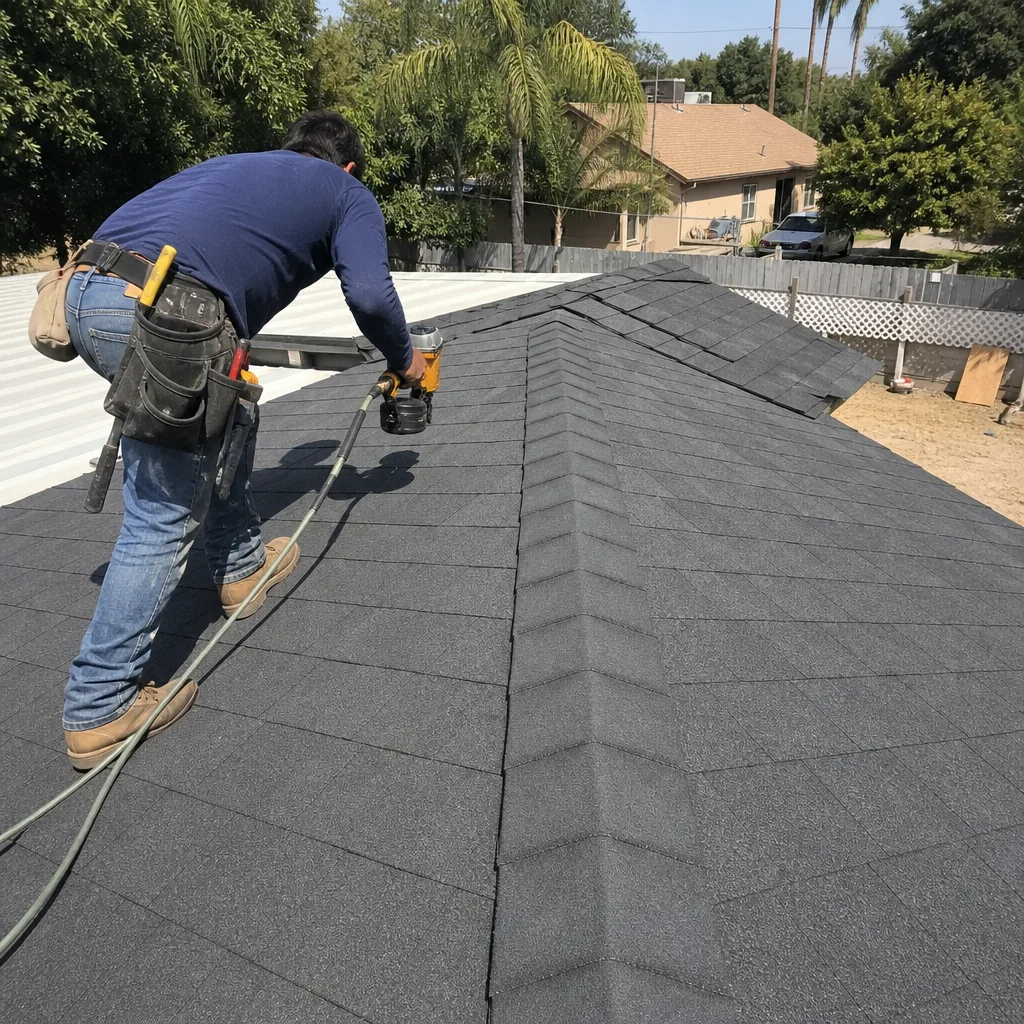 After
After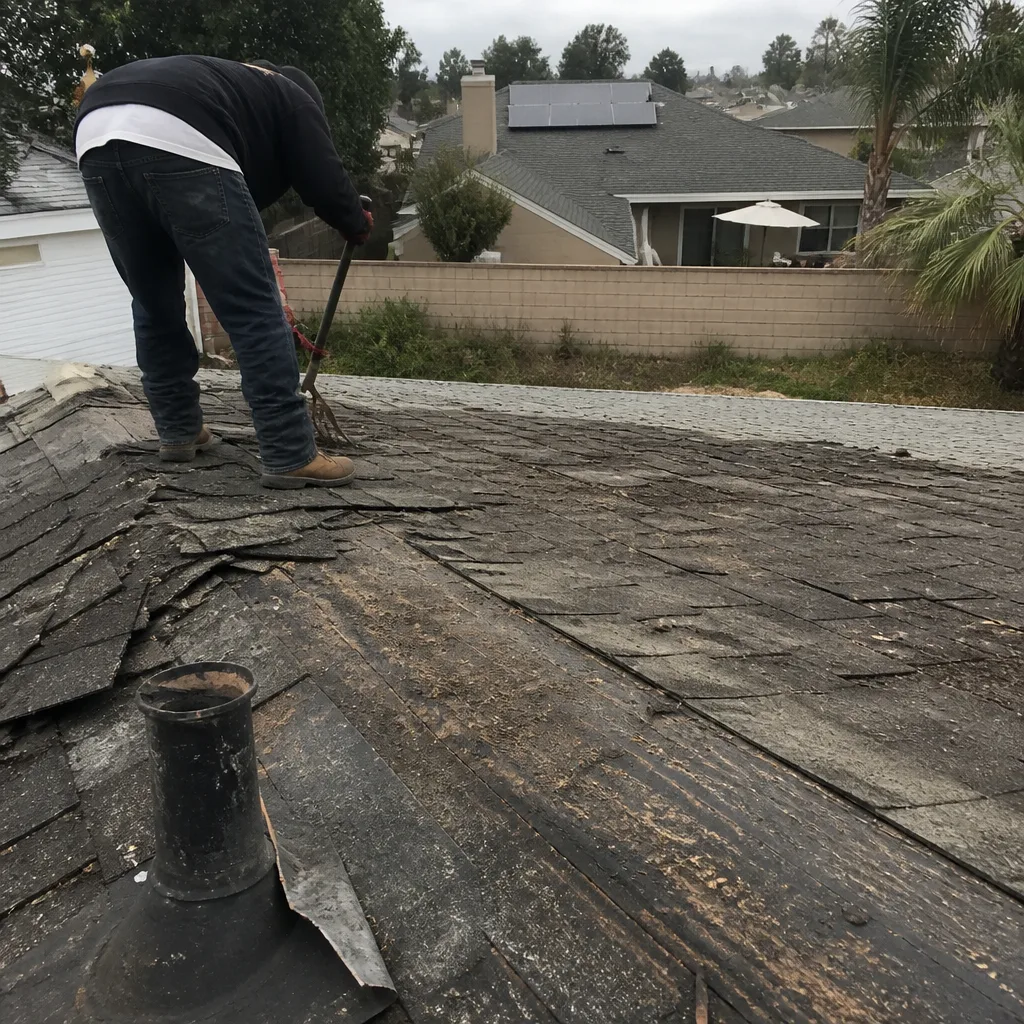 Before
 After
AfterWhen to Call a Professional
Call a professional if you see water stains on ceilings or walls, damp insulation in the attic, missing or badly cracked shingles, sealant that has visibly separated from flashing, or standing water on a flat roof section more than 48 hours after fog or rain clears. Also call if your roof is over 15 years old and hasn’t had a professional inspection in the last three years. Some checks you can do from the ground with binoculars, but walking a roof safely requires training and the right equipment. If you’re in the Fresno area, Birchbark Roofing Fresno offers free estimates, and Erik Lindgren and our team are happy to walk you through exactly what we find, in plain language, with a written price before any work starts. Call (559) 785-9461 to schedule yours.
Frequently Asked Questions
Check your roof at least four times a year in Fresno: once in May for thermal stress, once in October for sealant condition, once after the first hard December rain, and once during or after tule fog season if you have flat or low-slope sections. A professional inspection once a year in spring is the minimum we recommend, and it’s the single best defense against expensive surprises. Call (559) 785-9461 to schedule a free estimate anytime.
Most professional roof inspections in Fresno run between $150 and $400 depending on roof size, complexity, and whether you have flat sections or difficult access. For help finding the right pro, see How to Hire a Roofing Contractor in Fresno: A Step-by-Step Guide. Birchbark Roofing Fresno includes inspection as part of our free estimate process when you call (559) 785-9461, so you get a professional assessment and a written price for any recommended work at the same time.
Spring is the best time for roof repairs in Fresno. The rain has revealed any problems, the weather is mild, materials are easier to work with, and contractors are less backed up than in late fall. If you found damage during your December rain check, schedule the repair for March or April and you’ll save money and get better workmanship. Call (559) 785-9461 for a free estimate.
Tule fog can damage flat and low-slope roofs in Fresno because it delivers sustained fine moisture that penetrates small seam separations over days or weeks, unlike rain that runs off quickly. Pitched roofs are less affected. If you have any flat sections, check them during fog season and note any standing moisture for your roof log. If you see persistent dampness, call (559) 785-9461 for a professional look.
Asphalt shingle roofs in Fresno typically last 15 to 25 years depending on material quality, installation quality, and how consistently the homeowner maintained sealants and flashings. The sustained summer heat shortens the life of sealants faster than shingles themselves, which is why the seasonal maintenance calendar in this guide matters. A well-maintained roof can outlast neglected one by five years or more in the valley.
Yes. Every job from Birchbark Roofing Fresno includes a written price in dollars before any work starts. You’ll never be asked to trust a verbal quote or worry about the number changing mid-project. We also document the completed clean-up with a photo before the crew leaves, so you know exactly how the roof and your property looked when we finished. Call (559) 785-9461 to request yours.
The Bottom Line
Fresno’s roof calendar runs May to May, not January to January. The thermal stress window opens in May, summer UV quietly degrades sealants through September, the first December rain reveals what the heat created, and tule fog tests flat roofs through February. Spring is the season for professional inspection and repair, and a written roof log protects your insurance position and your resale value. If any of this feels like more than you want to manage alone, call Birchbark Roofing Fresno at (559) 785-9461. We’ll give you a clear assessment, a written price, and a plan for the year ahead.
Written by Erik Lindgren, Owner at Birchbark Roofing Fresno, serving Fresno since 2000.