
Last updated October 17, 2026
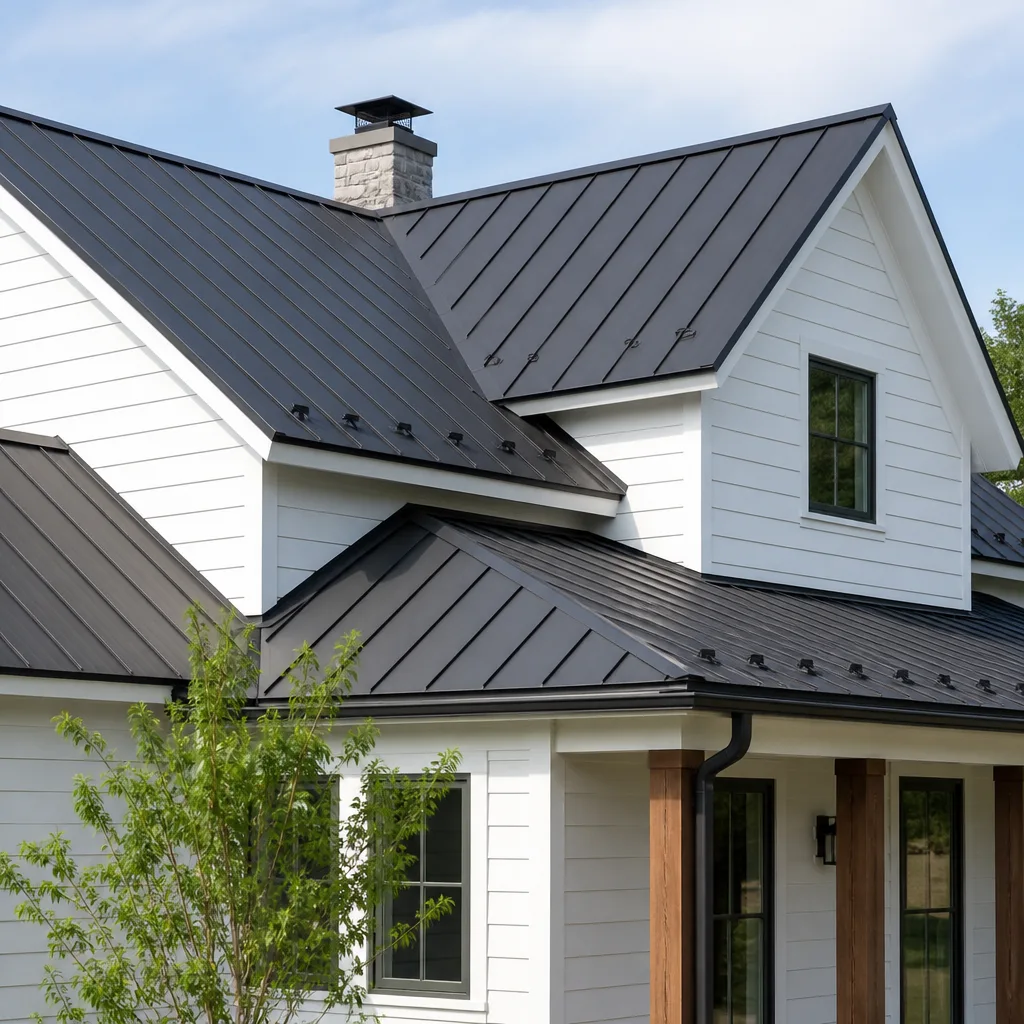 Metal roofing
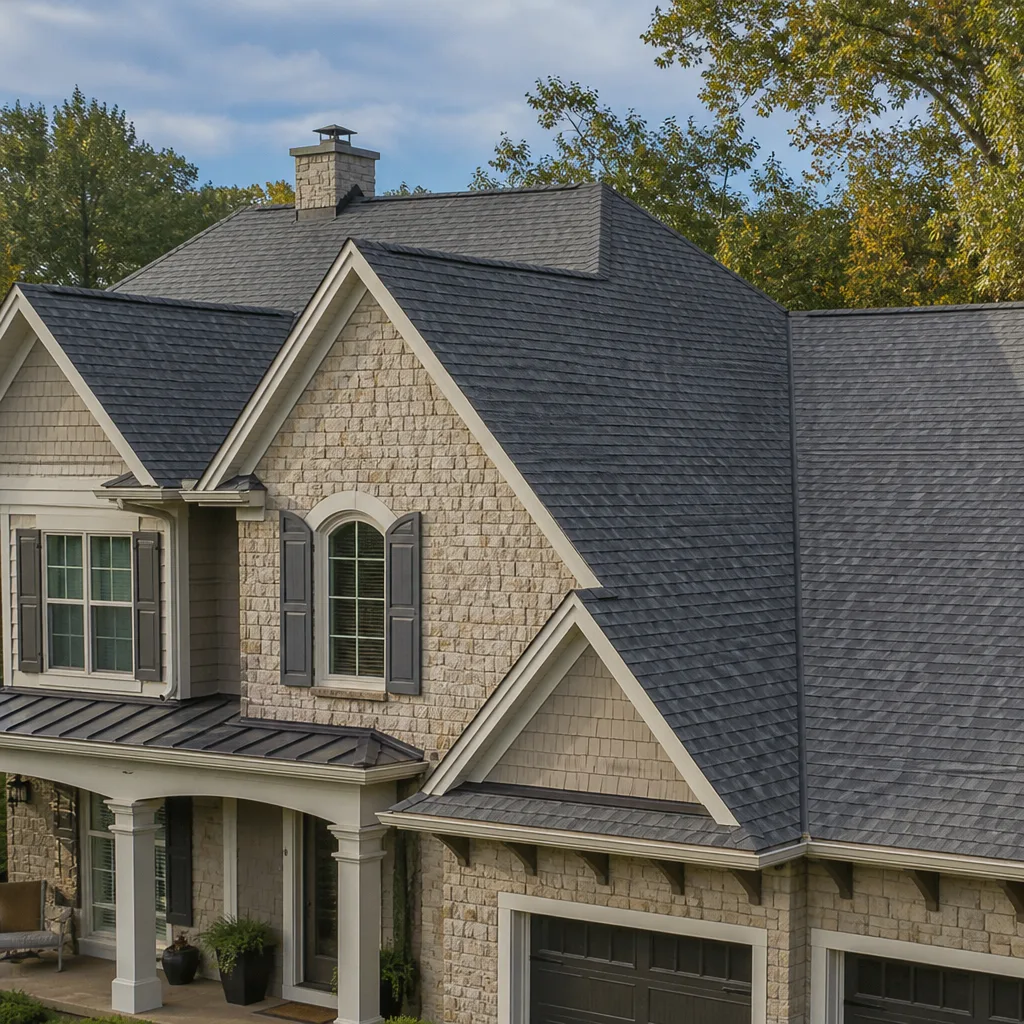 Architectural shingles
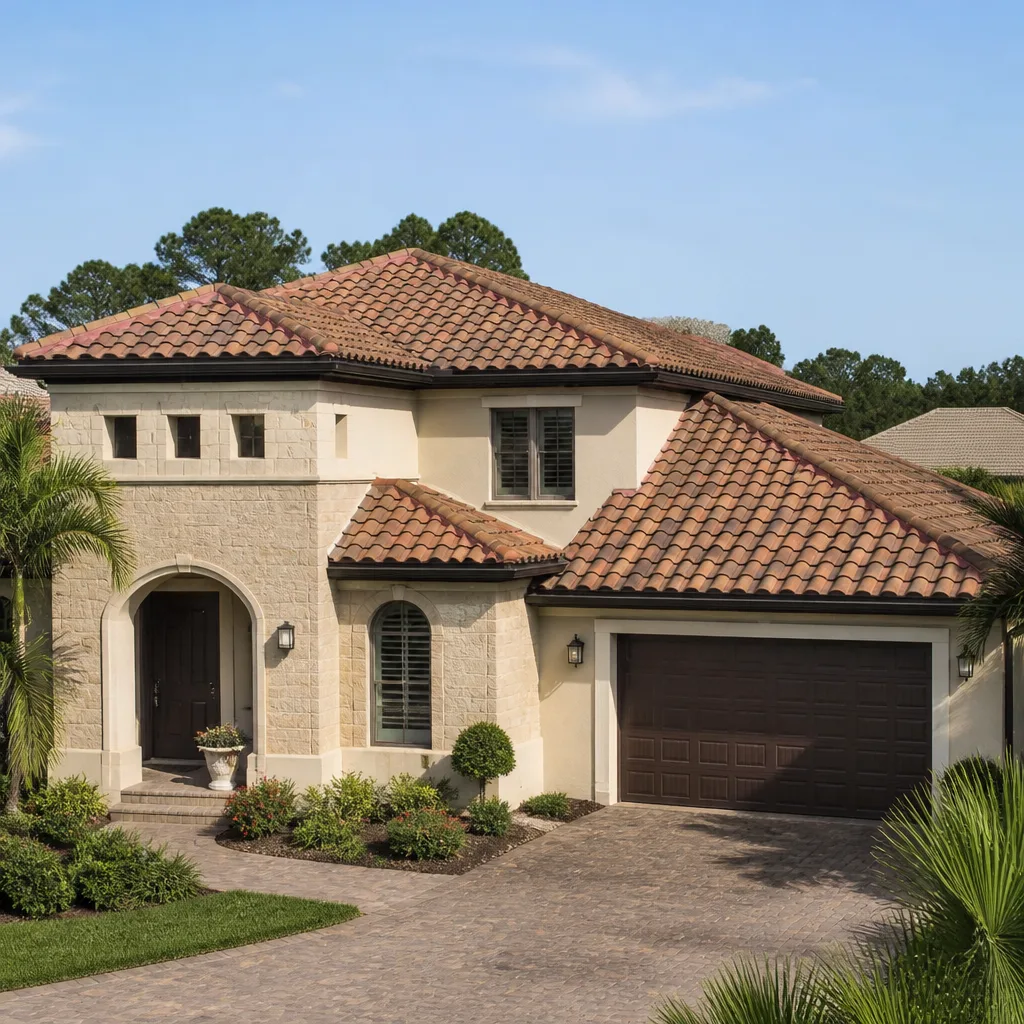 Tile roofing
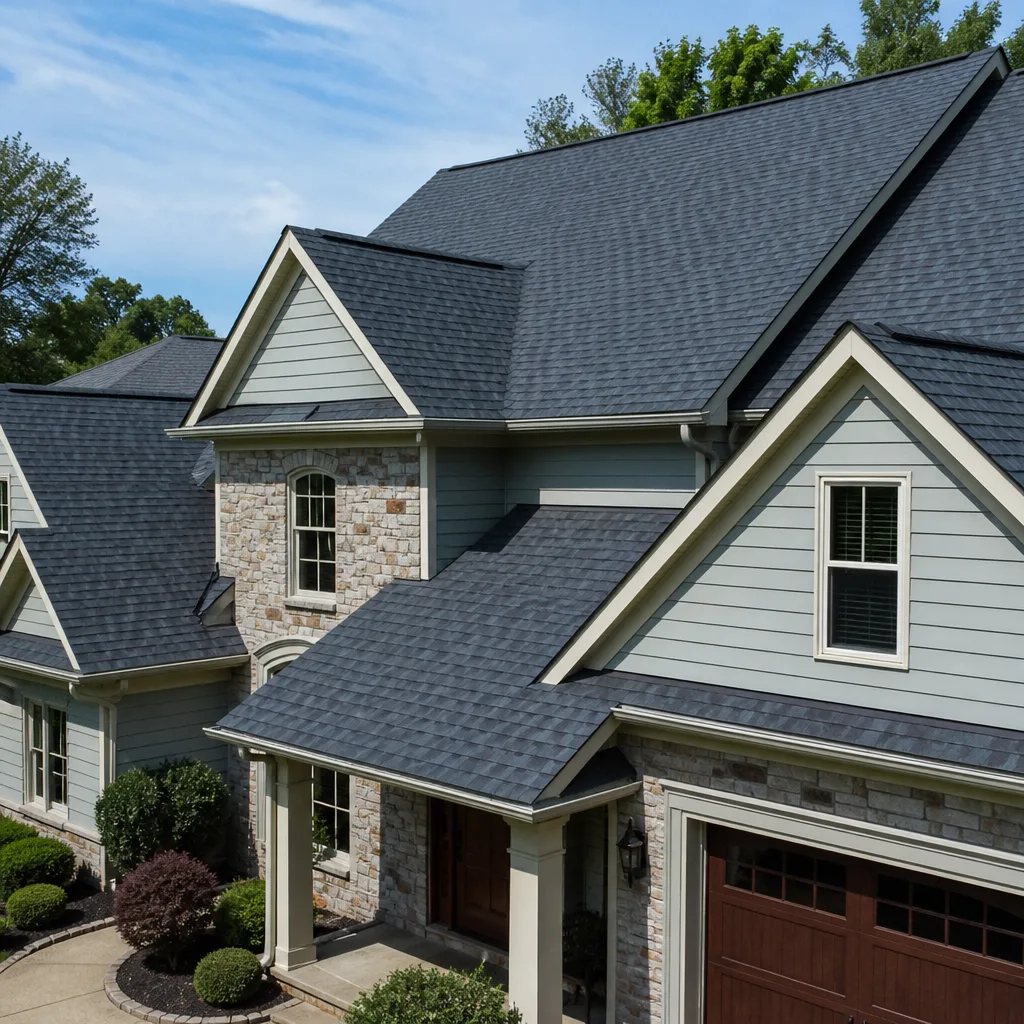 GAF
GAF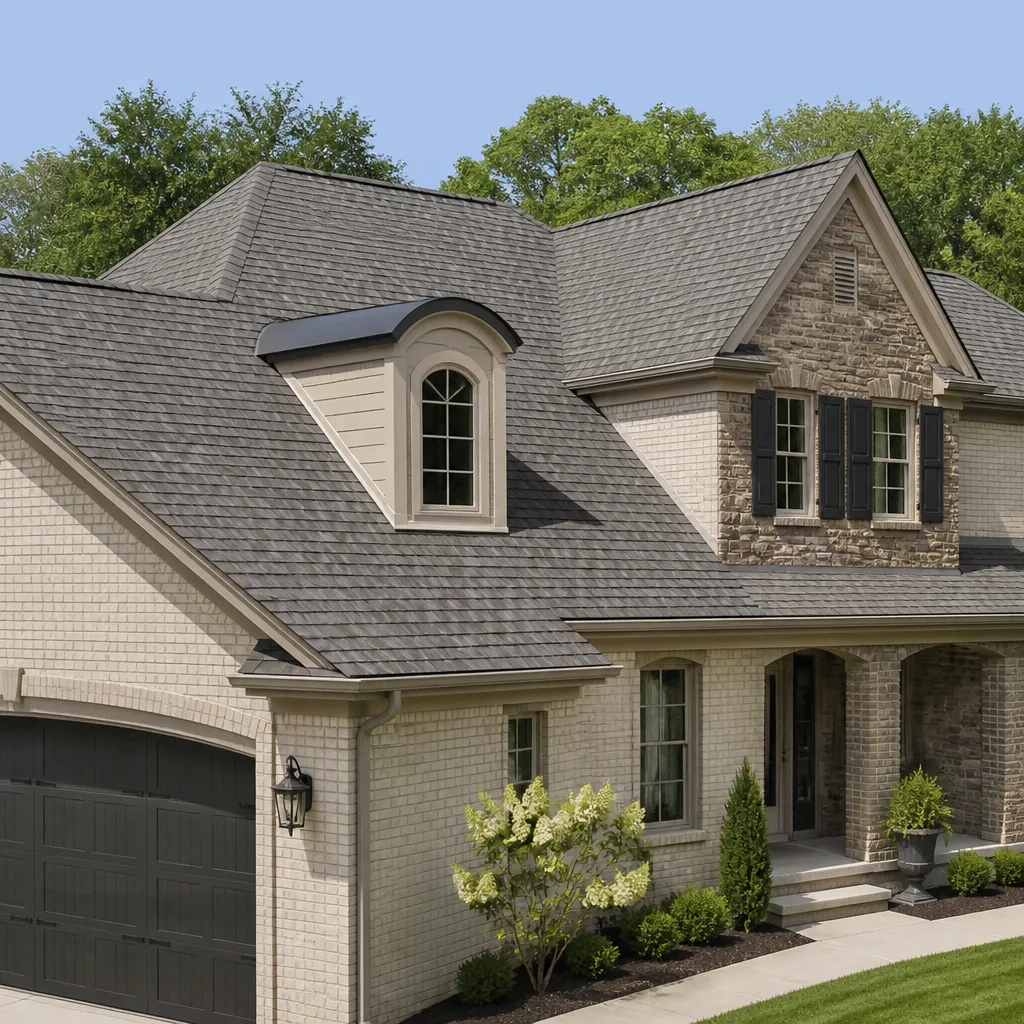 Owens Corning
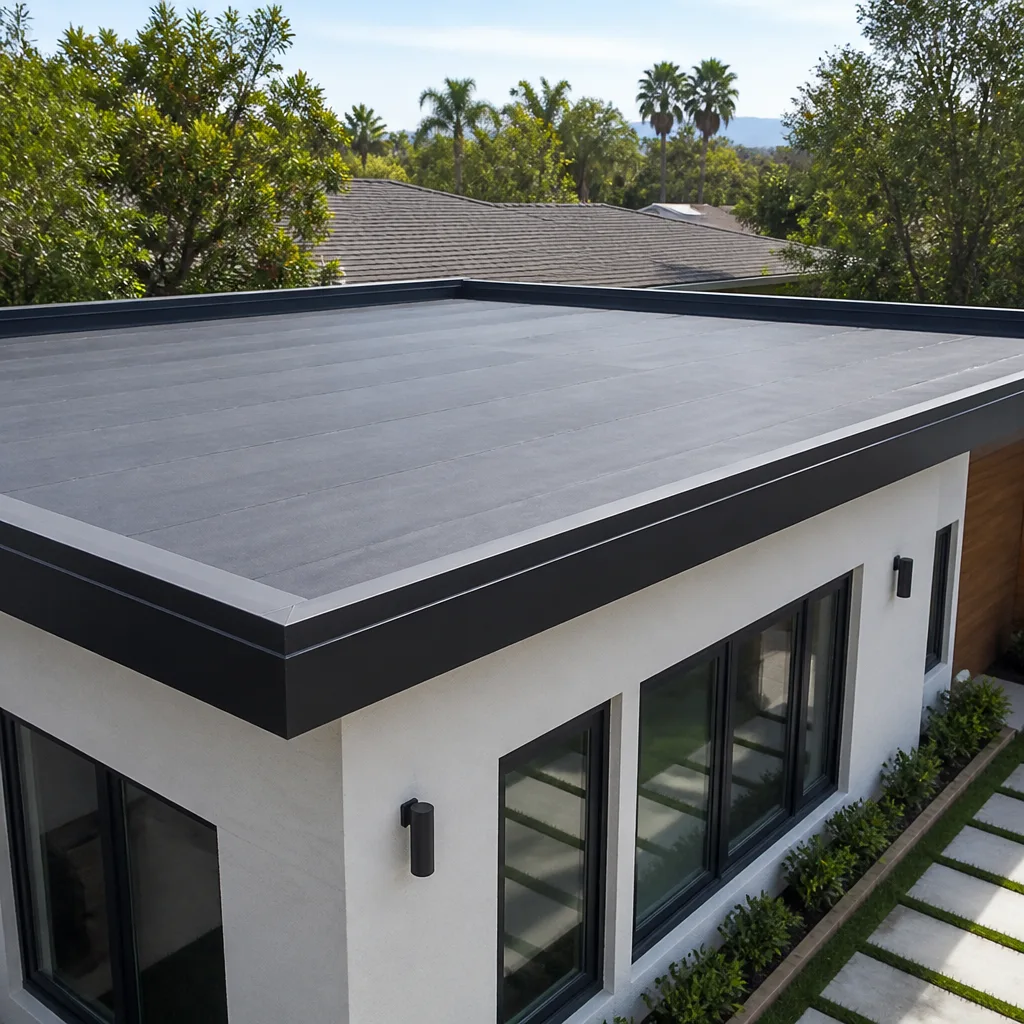 Flat & low-slope
Free roof inspection with deck photos before we talk money - GAF and Owens Corning certified installation
Roofing Permits, Codes & Inspections in CA: What You Need to Know
Here’s a stat that catches most Fresno homeowners off guard: an unpermitted roof replacement can sit quietly on a house for fifteen years, then surface at the worst possible moment, the week before closing. The buyer’s lender asks for the permit history. The permit history shows nothing. Suddenly a roof that cost $14,000 to install becomes a $20,000 negotiation problem, and the seller pays the difference. This guide walks through how California roofing permits actually work, where Fresno’s local rules differ from the rest of the state, and how to avoid the traps that only show up later. For a broader look at roofing in the area, see The Complete Guide to Roofing in Fresno.
Quick Answer
Most residential roof replacements in Fresno require a building permit from the Fresno Building and Safety Division, along with compliance with California’s Title 24 cool-roof standards and two on-site inspections. Small repairs, generally under 100 square feet of roofing area, are exempt. Skipping the permit saves a few hundred dollars today and commonly costs thousands at resale.
Styles & brands we work with
Table of Contents
- When a Fresno Roofing Job Requires a Permit
- How Title 24 Cool-Roof Rules Work for Fresno Homes
- The Fresno Inspection Process, Step by Step
- Whose Name Is on the Permit, and Why It Matters
- Unpermitted Roofs and Homeowner Insurance Claims
- What Roofing Permits Cost in Fresno
- How to Verify Your Contractor Pulled the Permit
- Common Mistakes to Avoid
- When to Call a Professional
- Frequently Asked Questions
When a Fresno Roofing Job Requires a Permit
The California Building Code requires a permit for any roof work that removes or replaces the roof covering, whether that’s composition shingles, tile, or metal. Fresno follows the California Building Code with local amendments, and the Fresno Municipal Code adds specifics. Here’s the practical breakdown for what we see in Fresno neighborhoods, from Woodward Park to the Tower District:
- Full re-roof or replacement: Always requires a permit. This means tearing off the old roof down to the decking and installing new underlayment and roofing material.
- Re-roof over existing shingles: Requires a permit, and often gets denied. Fresno has wind and weight exposure factors that can make a second layer problematic. The city generally prefers a full tear-off.
- Repairs under 100 square feet: Exempt from permit requirements under Fresno’s “like for like” repair exemption, provided the work does not change the roof structure or the roof covering type.
- Structural repair or sheathing replacement: Requires a permit. If the decking is damaged and more than two sheets of plywood or OSB are replaced, the city treats it as structural work.
- Skylight installation or replacement: Requires a permit in Fresno, because the curb, flashing, and waterproofing details fall under roof penetration code requirements.
- Solar panel installation: Requires a separate permit and structural review, even if the roof itself is new.
What often confuses homeowners is the difference between a “repair” and a “replacement.” If a windstorm tears off a few shingles and you patch them, that’s a repair. If the roof is at the end of its life and 30 percent of the shingles across the whole surface need replacement, the inspector will view it as a re-roof. In our experience, the 100-square-foot exemption works for isolated patches around a vent or a chimney edge, not for scattered damage across the roof plane.
If you’re unsure which category your roof falls into, call the Fresno Building and Safety Division and describe the work. The counter staff can tell you whether a permit application is required before you commit to a scope of work. Better yet, have a roofing company in Fresno assess the roof and tell you honestly whether the job is a repair or a replacement, because guessing wrong means a stop-work order if an inspector drives by.
How Title 24 Cool-Roof Rules Work for Fresno Homes
California’s Title 24, Part 6 Energy Code requires cool-roof materials on most residential re-roofs. For Fresno, which sits in Climate Zone 13, the rules are specific and they affect cost. A cool roof reflects more sunlight and absorbs less heat. The standard most Fresno roofs must meet is a minimum aged solar reflectance of 0.20 and a thermal emittance of 0.75. Most modern composition shingles from manufacturers like GAF, CertainTeed, and Owens Corning meet this, but the specific color matters more than many homeowners expect.
Dark shingles, the deep browns and blacks that look like wood shake, often fail the Title 24 reflectance test in Climate Zone 13. A dark roof that looked great on a sample board may not be a compliant choice for a Fresno re-roof unless the product is on the California Energy Commission’s certified cool-roof product directory. The solution isn’t to give up on a darker look; it’s to select a product with reflective granules that is listed on the CEC’s directory for Zone 13. CertainTeed’s Landmark Solaris and GAF’s Timberline Cool Series both include darker profiles that pass.
There’s a specific cost point that surprises homeowners: a Title 24 non-compliant roof means the permit won’t be signed off, even if the roof is otherwise installed perfectly. The inspector checks the product documentation during the in-progress inspection. If the product isn’t on the approved list, the roof has to be torn off and redone. That’s not a small correction. That’s a full replacement at the contractor’s expense, or worse, at yours if you bought the materials yourself.
For tile roofs, Boral and similar concrete tile products in light, reflective colors generally pass easily. Metal roofs almost always pass due to high reflectance and emittance. The problem child is composition shingle in the darker range. Fresno’s hot summers make cool-roof compliance more than a paperwork exercise; it measurably reduces attic temperatures and cooling loads through August. But the rule is what it is, and no amount of practical argument changes the need for a listed product.
The Fresno Inspection Process, Step by Step
The Fresno Building and Safety Division runs a two-inspection sequence for residential re-roofs. The timeline depends on season, but here’s the process in the order it happens:
- Permit application and plan review: For a standard re-roof, Fresno typically does not require full architectural plans, but the city does require a completed permit application, a product data sheet for the proposed roofing material, and payment of the permit fee. Plan review for simple re-roofs is often same-day or next-day at the counter.
- Permit issuance: The permit is issued in the property owner’s name or the contractor’s name, depending on who applies. The permit must be posted at the job site, usually in a front window or on the fence, visible from the street.
- First inspection (in-progress or “dry-in”): After the old roof is torn off and the new underlayment is installed, but before the shingles or tile go on, the inspector checks the underlayment type, fastener pattern, flashing at penetrations, and the edge details. This inspection catches problems before they’re covered up.
- Second inspection (final): After the roof is complete, the inspector verifies the roofing product matches the approved product data sheet, checks the fastening, confirms drip edge and flashing are correct, and signs off the permit. This final sign-off is what closes the permit record.
Wait times vary. In spring and early summer, Fresno homeowners can expect in-progress inspections to run one to three business days after scheduling. During heavy storm season or the fall rush, a final inspection might run three to five days. The city lets contractors schedule inspections online through the Citizen Access portal, and it’s worth knowing that the permit-holder, whether that’s you or the contractor, is the one who schedules both visits. A contractor who says “we’ll handle the inspections” should be able to tell you the scheduled date when you ask.
One Frhttps detail that saves time: Fresno inspectors typically check roof fastening against the manufacturer’s installation instructions, not just the code minimums. If the shingle manufacturer specifies six nails per shingle in high-wind zones, and the crew installed four, that’s a correction. A written scope of work that names the exact product and the fastening pattern helps avoid this. That’s why Birchbark Roofing Fresno puts the written price and the product specification in front of the homeowner before the first shingle is removed, so there’s no guessing about what the inspector will find.
Whose Name Is on the Permit, and Why It Matters
This is the question most Fresno homeowners never think to ask, and it matters more than any other detail in this guide. When a contractor pulls a permit for re-roof work, the permit can be issued in the contractor’s name or in the homeowner’s name. Either is legal. The difference shows up at resale and in warranty disputes.
When the permit is in the contractor’s name, the permit record belongs to the contractor’s license number. If that contractor goes out of business, the permit record becomes orphaned. The homeowner can still prove the roof was inspected, but the chain of responsibility is muddier. When the permit is in the homeowner’s name, the record attaches directly to the property address and the owner. That’s cleaner for resale disclosure, cleaner for insurance documentation, and cleaner for any future warranty claim against the product manufacturer, because the manufacturer can verify the install was code-compliant under the owner’s permit.
There’s also a more subtle issue. Some roofing companies pull a “master permit” or a “blanket permit” across multiple jobs in a month. That’s legal for the contractor but means your specific address may not have its own permit record. At resale, the title company pulls permits by address. If nothing shows up under your address, the disclosure form asks you to explain. “The contractor handled it” is not an explanation a buyer’s lender will accept, and we’ve seen escrows extended by weeks while the seller tracks down a contractor who may or may not return phone calls.
The fix is simple and costs nothing extra. When you sign the contract for a roof replacement in Fresno, write one sentence into the agreement: “Permit shall be pulled in the homeowner’s name at the property address.” The contractor can still manage the inspections. The permit just needs your name on it. Any reputable roofer will agree to this without hesitation. If they push back, that’s a signal to keep looking.
Unpermitted Roofs and Homeowner Insurance Claims
Here’s the scenario that trips homeowners up more than any other: you had your roof replaced without a permit five years ago, and this winter a storm peels back a section and water pours into the kitchen. You file a claim. The adjuster comes out, looks at the roof, and asks for the permit record. When there’s no record, the conversation changes.
Most standard homeowner policies in California exclude or limit coverage for damage to work that was never permitted. The insurer’s position is straightforward: the unpermitted work created an unresolved risk, and the insurer shouldn’t pay to repair damage that may have resulted from below-code installation. We’ve seen claims denied outright when the adjuster finds an unpermitted re-roof that’s less than ten years old. In other cases, the insurer pays the interior damage but excludes the roof itself, leaving the homeowner to fund a repair that the policy would have covered if the permit had been pulled.
There’s a second insurance problem that’s less obvious. Some insurers in California now ask about roof age and permit status at policy issuance. If you answer “yes” to roof replacement and the insurer can’t verify a permit, they may still write the policy, but with a roof exclusion or a reduced replacement-cost endorsement. That means you’re paying full premiums for partial coverage, and you may not find out until after the storm.
For homeowners who discover their roof was replaced without a permit by a previous owner, the situation isn’t hopeless. Fresno allows after-the-fact permits, sometimes called “as-built” permits. The process involves applying for the permit, documenting the existing roof, and having it inspected. If the inspection passes, the roof is retroactively permitted. If it fails, you’ll know what needs fixing. A roof repair in Fresno to correct an inspection finding is far cheaper than a denied claim after a storm.
What Roofing Permits Cost in Fresno
Permit fees in Fresno for a residential re-roof are based on the valuation of the work. For a typical 2,000-square-foot single-family home, the roofing permit usually falls in the range of $300 to $600. The exact number depends on the scope, and the city recalculates its fee schedule periodically, so treat these figures as a working range, not a quote.
That $300 to $600 buys real protection. It buys two inspections by someone whose job is to catch installation errors before they’re buried under shingles. It buys a permit record that transfers with the property at sale. It buys you a clean answer on the disclosure form. Measured against the cost of a re-roof, which in Fresno typically runs $12,000 to $22,000 for composition shingles on an average home, the permit fee is roughly 3 percent of the job. Skipping it to save 3 percent is the kind of decision that looks smart for one afternoon and expensive for a decade.
There’s also a hidden cost consideration: if unpermitted work is discovered, Fresno can impose penalties for the after-the-fact permit that can double or triple the original fee. That’s not a penalty you can negotiate away. The city wants the work permitted, and the penalty is the stick. It’s a small stick compared to the cost of a tear-off and redo, but it’s avoidable entirely by pulling the permit the first time.
How to Verify Your Contractor Pulled the Permit
$300 to $600 only buys protection if the permit actually gets pulled. Some homeowners pay for a permit line item in their contract and never check whether the contractor filed the application. Here’s how to verify in Fresno:
- Ask for the permit number before tear-off begins. The city issues a permit number when the application is approved. No permit number, no work. Simple.
- Check Fresno’s Citizen Access portal. The city maintains an online permit lookup by address. Enter your address and you’ll see the permit, the applicant name, the status, and the inspection schedule.
- Look for the permit card at the job site. Fresno requires the permit to be posted. If you come home and there’s no permit visible, ask where it is.
- Ask who schedules the inspections. A permit with no scheduled inspections isn’t worth anything. The permit record should show both the in-progress and final inspection dates.
- Get the final sign-off in writing. The closed permit record is what matters. The city will show the final inspection status on the portal. Print it or save the PDF for your home file.
This is part of what the Cedarwell Care Promise means in practice for Birchbark Roofing Fresno: the homeowner gets to see the permit number before the crew sets a ladder against the house, and the completed inspection record is part of the job file we hand over at the end. No hunting through city websites after the fact. No wondering whether it ever happened.
Common Mistakes to Avoid
- Letting the contractor talk you out of the permit. “It’ll take longer” and “you’ll save money” are both true and both irrelevant. The permit is 3 percent of the job and protects you for the life of the roof. A contractor who resists permits is telling you something about how they run their business.
- Paying for a permit that never gets pulled. Get the permit number before work starts. If the contractor collected the fees and “forgot” to file, you’ve paid for nothing.
- Choosing a non-compliant roof color because it looks good. In Fresno’s Climate Zone 13, dark shingles that aren’t on the CEC’s cool-roof list will fail inspection. Select the product first, then the color from the compliant options.
- Treating the final inspection as optional. A roof installed without a signed-off final inspection is an unpermitted roof in the eyes of the city, even if the permit was pulled. The inspections are part of the process, not a formality to skip when the schedule gets tight.
- Not keeping the permit record with the house documents. The paper trail matters at resale. A closed permit record is one of the cleanest things you can show a buyer or a title company.
- Assuming the contractor’s name on the permit is fine. It’s legal, but putting the permit in your name ties the record to your address and your ownership. It costs nothing and saves trouble later.
- Confusing the City of Fresno with Fresno County. Homes inside Fresno city limits follow Fresno’s permit process. Homes in unincorporated Fresno County follow the county’s process, which has its own fee schedule and inspection workflow. Know which jurisdiction you’re in before calling to ask about permits.
When to Call a Professional
If your roof is more than 15 years old and you’re seeing Roofing Warning Signs: A Fresno Homeowner’s Reference Guide like granule loss in the gutters, curling shingle edges, or water stains on the ceiling, that’s not a repair-exemption situation. That’s a re-roof, and it needs a permit, a Title 24 compliant product, and two inspections. If you’ve already discovered the previous owner replaced the roof without a permit, an after-the-fact permit is the fastest way to clear the title issue and get your insurance coverage back in order. And if you’re selling a home in Fresno and the disclosure form asks about roof permits, don’t guess. Pull the permit record and know the answer before a buyer’s lender finds it first. Birchbark Roofing Fresno offers free estimates in Fresno, call (559) 785-9461 and we’ll walk the roof with you and tell you honestly what’s needed.
Frequently Asked Questions
Yes, a full roof replacement in Fresno requires a building permit from the Fresno Building and Safety Division. The only exception is a small repair covering less than 100 square feet that doesn’t change the roof structure or material type. For anything larger, skipping the permit creates a title disclosure problem at resale and can affect your insurance. Call (559) 785-9461 to talk through which category your roof falls into.
Most residential re-roof permits in Fresno run between $300 and $600, depending on the valuation of the work. That’s roughly 3 percent of a typical re-roof cost and it buys two inspections plus a permanent permit record attached to your property.
Title 24 requires that most new roofing materials installed in Fresno, which is in Climate Zone 13, meet a minimum solar reflectance and thermal emittance standard. Many standard shingle colors qualify, but some dark colors do not. Your contractor should verify the specific product and color against the California Energy Commission’s certified product directory before ordering materials.
A Fresno roofing inspection happens in two visits. The first, called the in-progress or dry-in inspection, checks the underlayment, flashing, and fastening before the shingles go on. The second, called the final inspection, verifies the finished roof, the product compliance, and the installation details. Both inspections must pass for the permit to close.
Yes, you can sell a house with an unpermitted roof, but you must disclose it, and most buyers’ lenders will require correction before closing. The correction is typically an after-the-fact permit with an inspection, plus any repairs the inspection demands. It’s faster and cheaper to permit the roof correctly the first time.
Ideally, the permit should be in your name as the property owner, with the contractor listed as the licensed professional performing the work. This ties the permit record to your property address and simplifies resale, insurance verification, and any future warranty claims. Ask for this in the written contract before work begins.
The Bottom Line
Roofing permits in Fresno are not a bureaucratic annoyance. They’re the difference between a roof that protects your home and a roof that haunts your resale. California’s Title 24 cool-roof rules mean you can’t choose just any shingle color, and Fresno’s two-inspection process means the city sees your roof before and after the covering goes on. The permit costs 3 percent of the job and pays for itself the first time you need to prove the roof was done right. Whether you’re replacing now or cleaning up a past owner’s shortcut, the path is the same: pull the record, understand the rules, and work with a roofer who puts the permit number in your hand before the first shingle comes off. For ongoing maintenance tips, check out Seasonal Roofing Care for Fresno: Year-Round Homeowner’s Guide.
Written by Erik Lindgren, Owner at Birchbark Roofing Fresno, serving Fresno since 2000.
See the difference
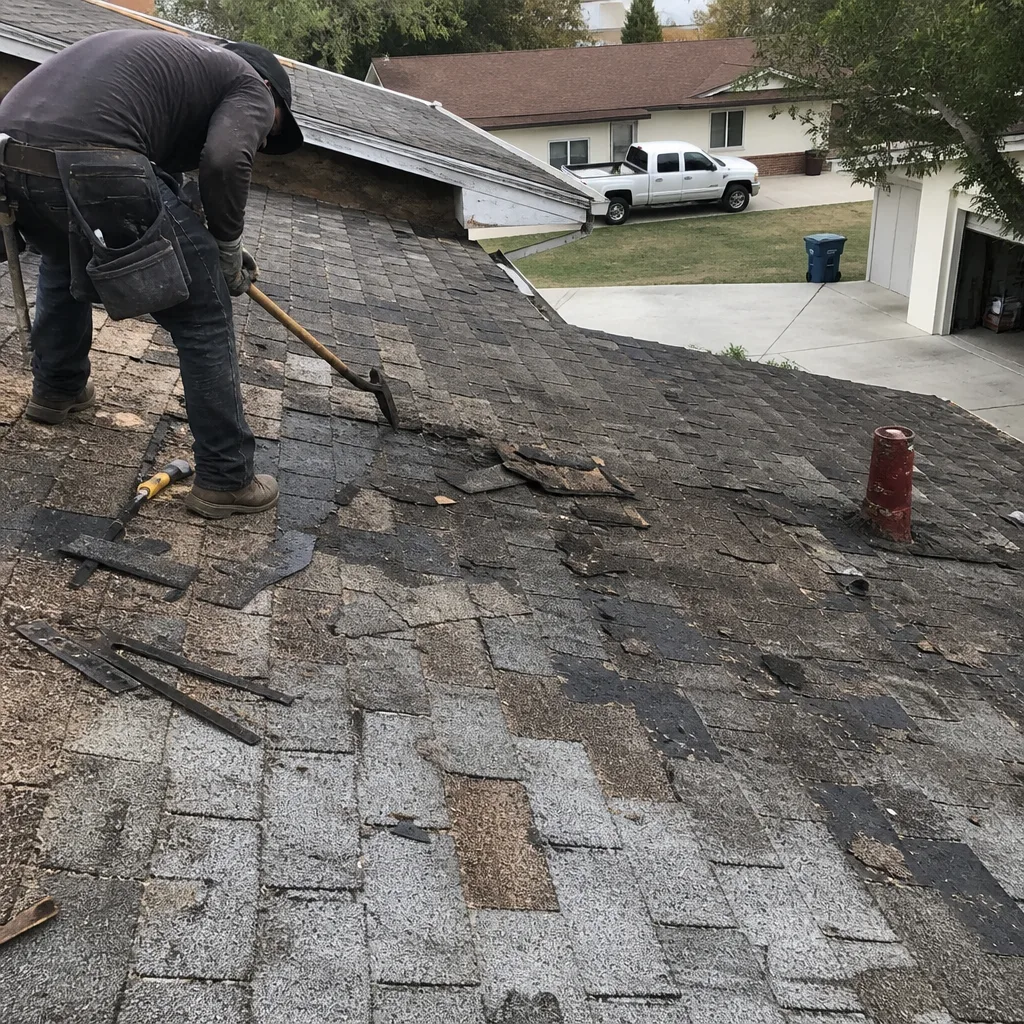 Before
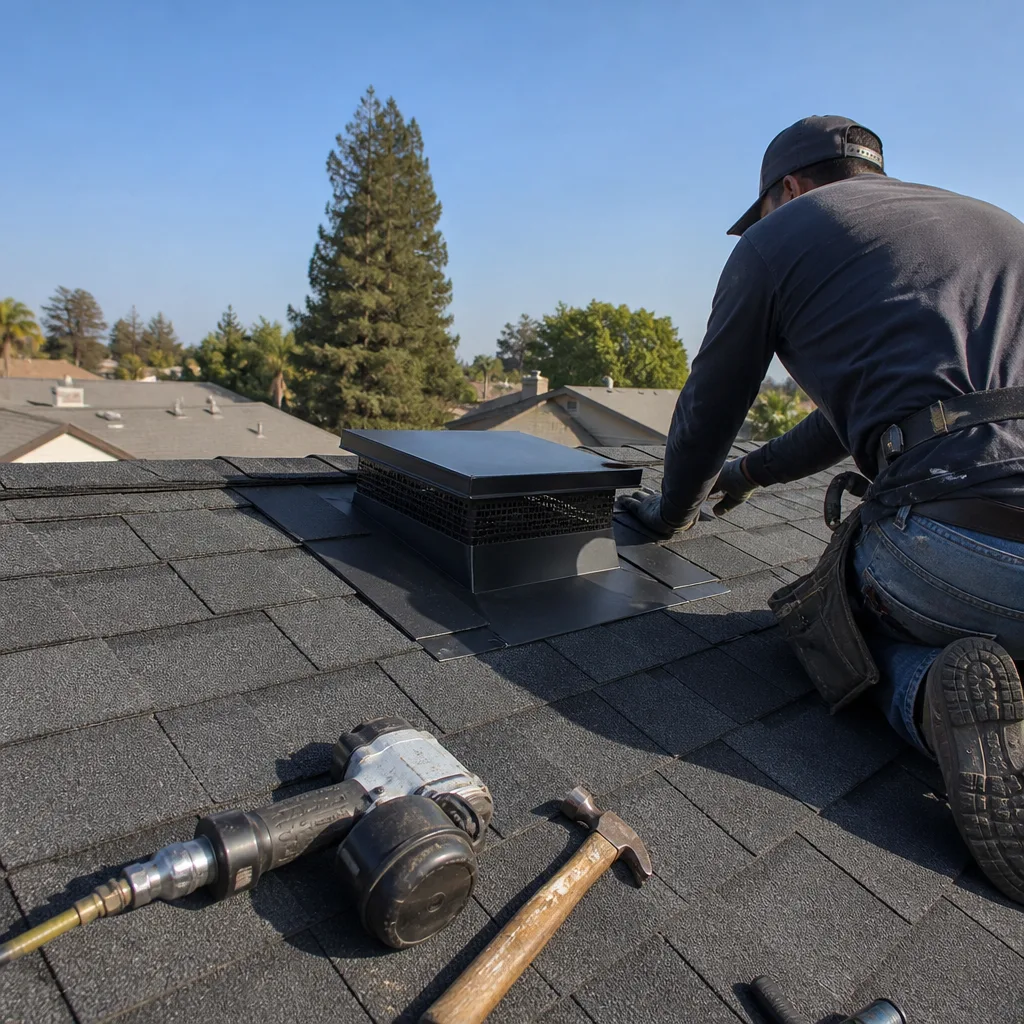 After
After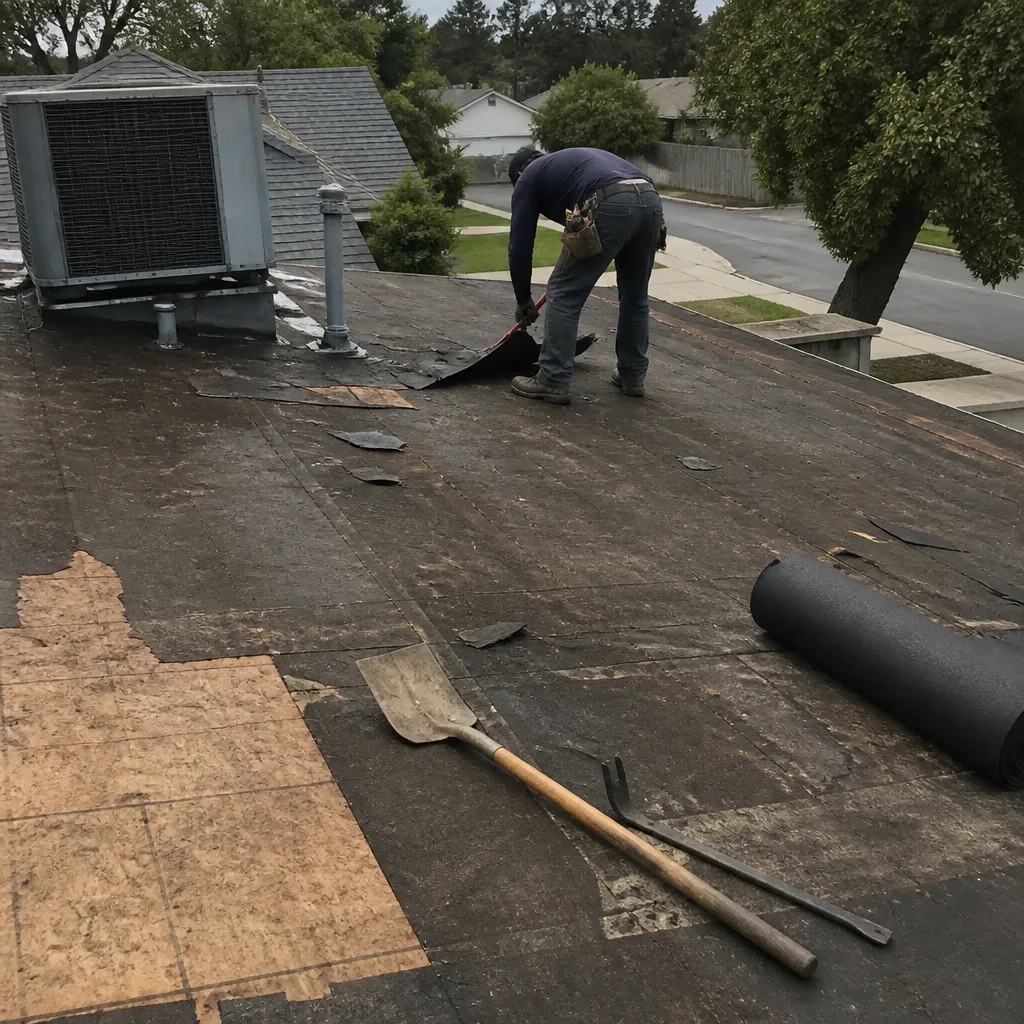 Before
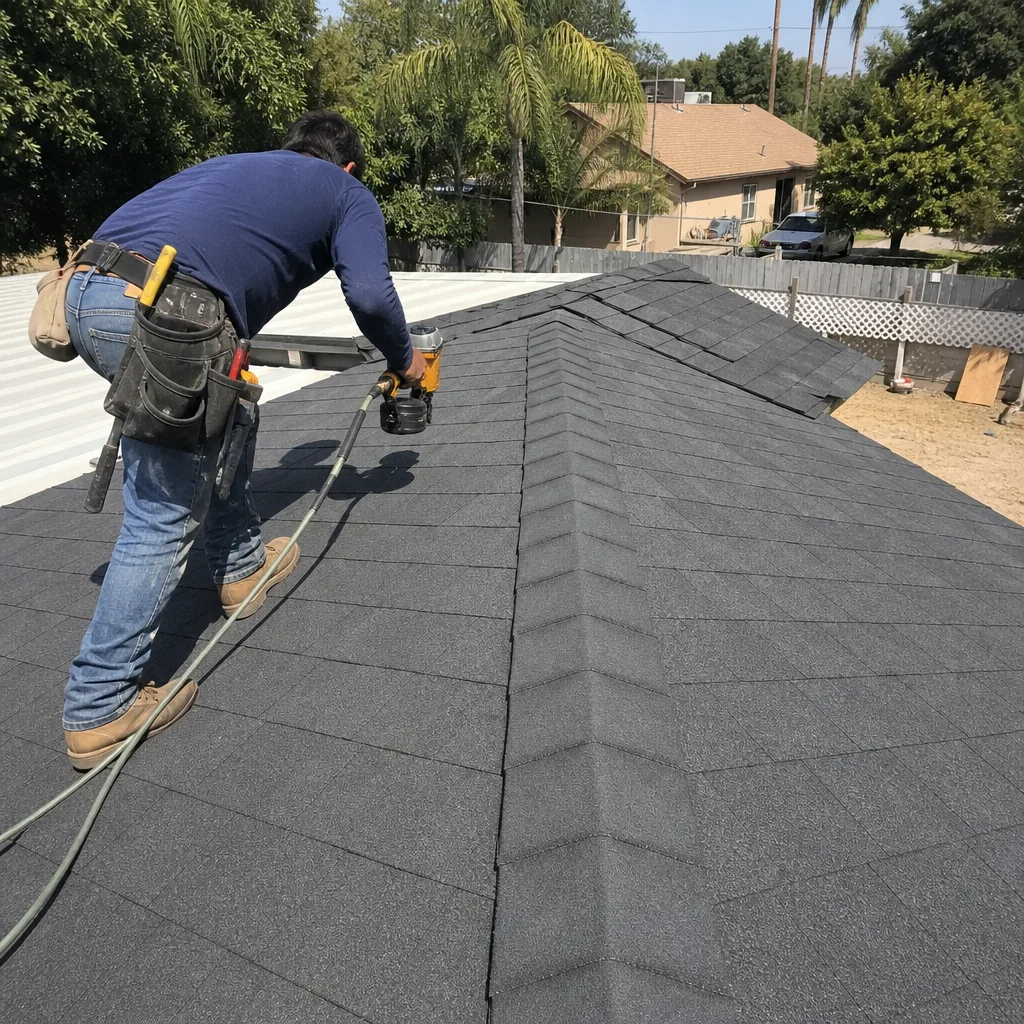 After
After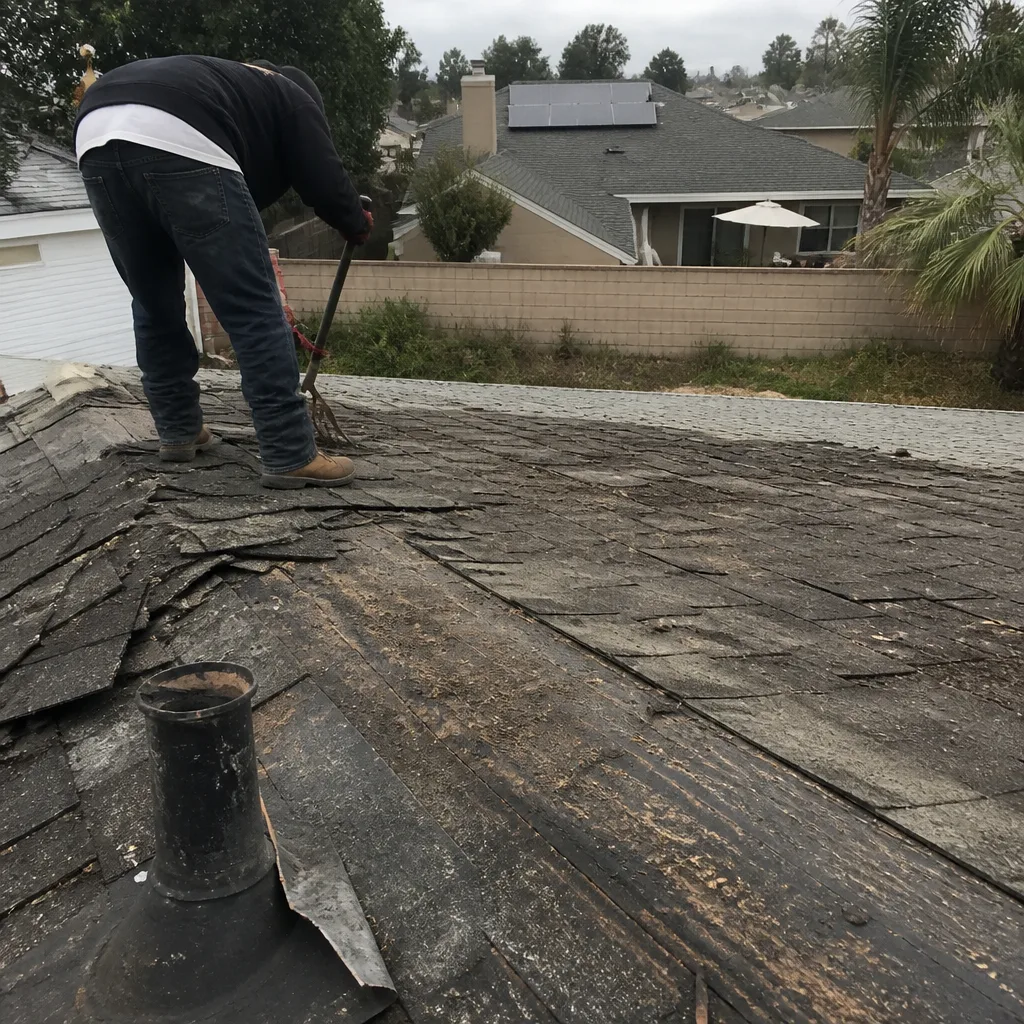 Before
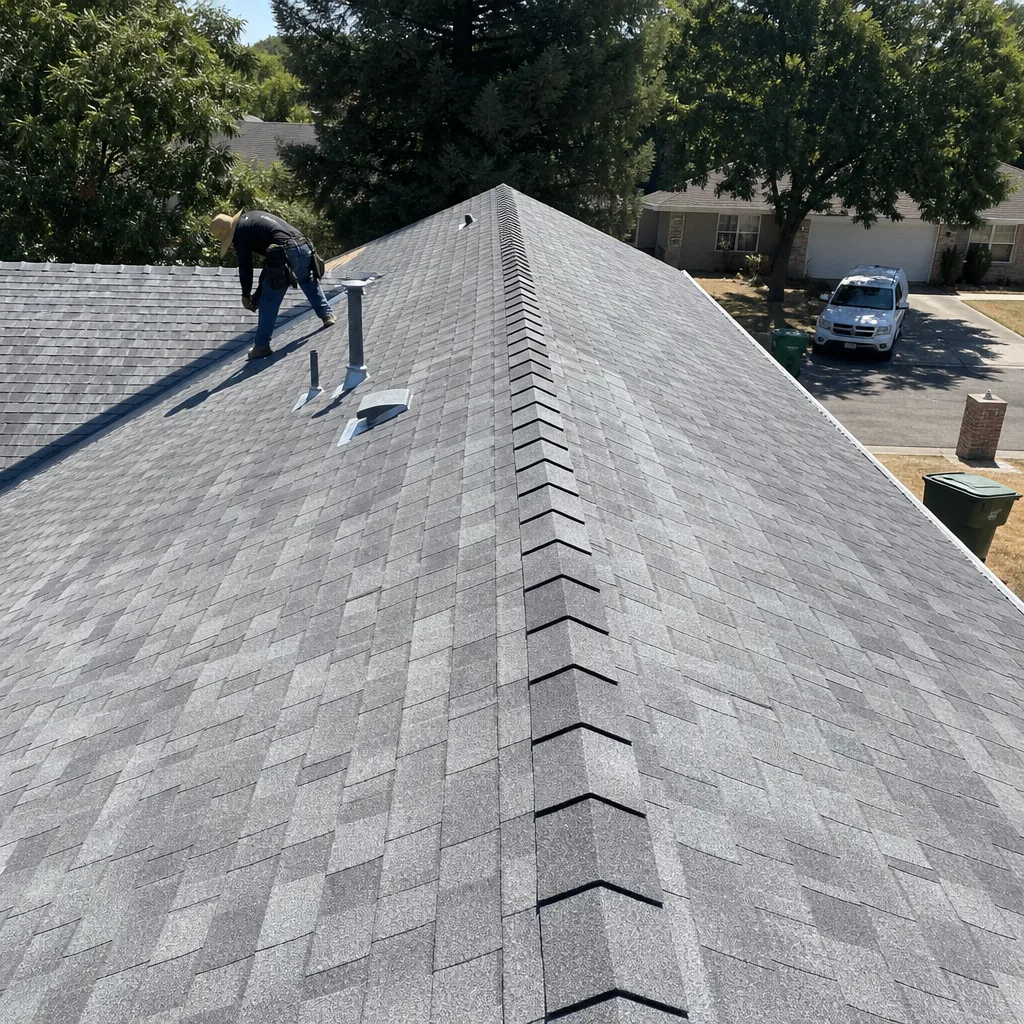 After
After